The brief
The EU's top court has supported a Spanish law that grants amnesty to Catalan separatists involved in the independence referendum, a move that has sparked significant political controversy.
Context
The amnesty law, introduced by Prime Minister Pedro Sanchez's government, is seen as a pivotal factor in his ability to remain in office amid political tensions.S1S2
Key points
- The EU court ruled that the amnesty law is compatible with EU law.S2
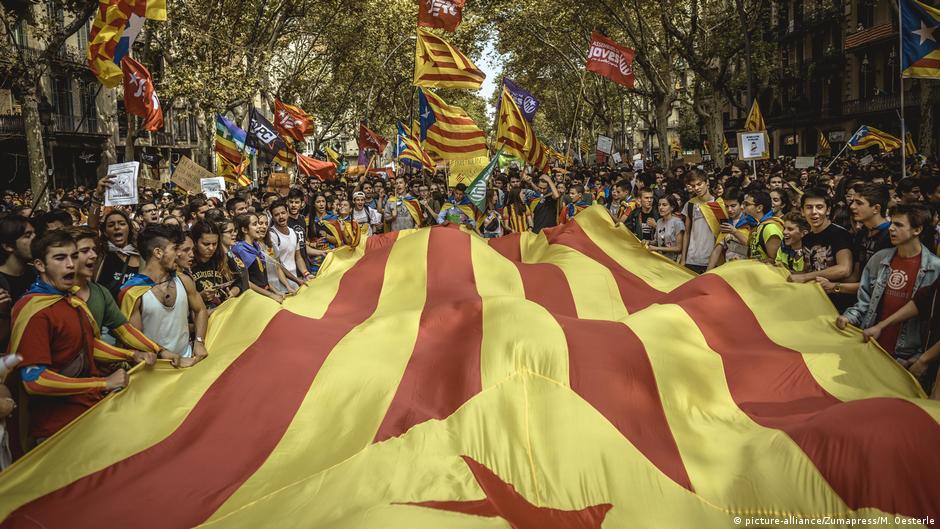
- The law provides amnesty to individuals involved in the Catalonia independence movement.S2
- The decision has led to major protests from opposition parties in Spain.S1
- The amnesty was part of a political deal that allowed Sanchez to maintain his position as Prime Minister.S1
- Critics argue that the law undermines the rule of law in Spain.S1
- Supporters claim it is a necessary step towards reconciliation in Catalonia.S2
- The amnesty law was introduced in 2024, reflecting a shift in Spanish politics.S2
Why it matters
- The ruling may influence future relations between the Spanish government and Catalan separatists.S1
- It highlights the EU's role in national legal matters and its impact on member states.S2
- The political fallout could affect upcoming elections in Spain.S1
What to watch
- Monitor reactions from opposition parties and potential protests in Spain.S1
- Watch for any legal challenges to the ruling within Spain.S2
- Observe how this decision impacts the broader Catalan independence movement.S1