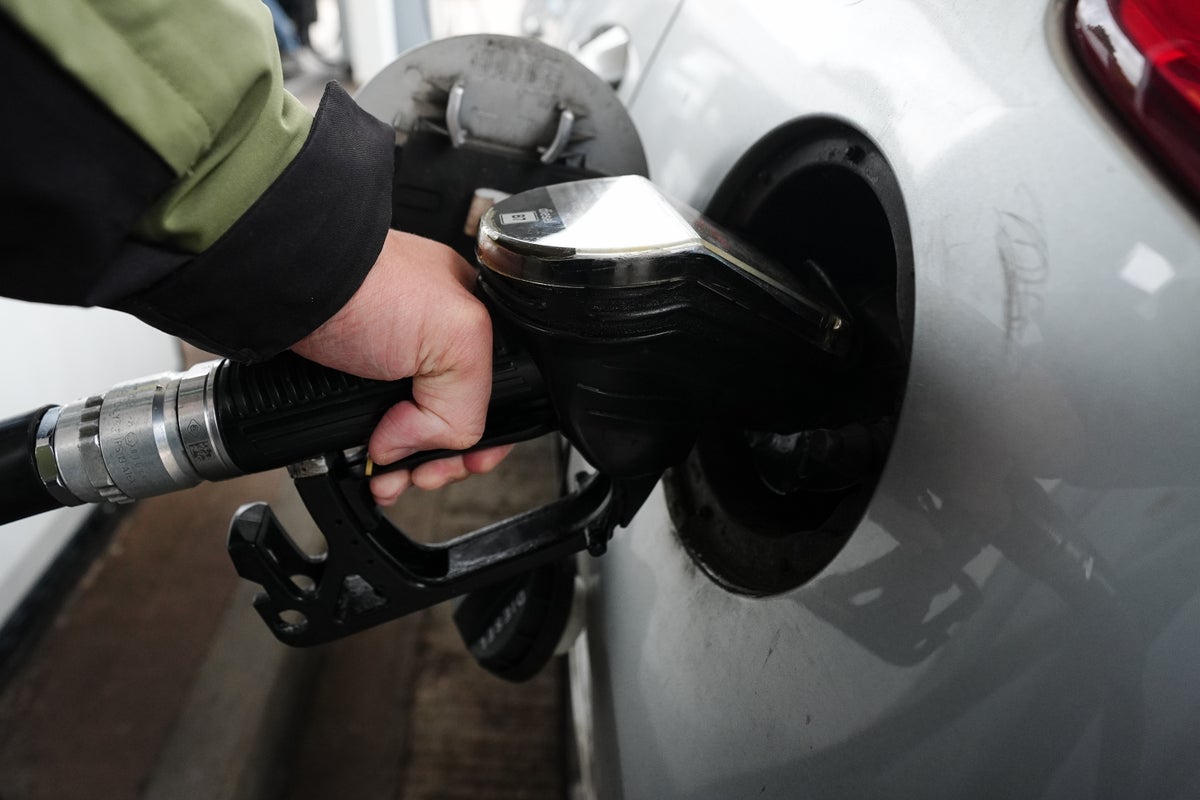
UK inflation rose to 3.6 per cent in October, official Office for National Statistics figures show, up from 3.5 per cent in September and matching the level economists polled by Pantheon Macroeconomics had expected. The Consumer Prices Index has now risen for a fourth consecutive month after touching a low of 2.6 per cent in June. The ONS said motor fuel and energy costs made the largest upward contributions to the monthly change, a rise attributed to energy supply shocks in the Middle East that have pushed up global fuel and household energy prices.
Household bills were already climbing before the new figures. At the start of October the energy regulator Ofgem raised its quarterly price cap by 4 per cent, lifting the typical annual bill for households paying by direct debit in England, Scotland and Wales by around £60 to £1,723. Pantheon economists Rob Wood and Elliott Jordan-Doak also pointed to tobacco duty increases, which they estimated pushed tobacco prices up 8.3 per cent in October, adding around £1.21 to a pack of 20 cigarettes according to HMRC.S1
The rise comes less than two weeks after the Bank of England raised its base rate from 3.75 per cent to 4 per cent on 5 November, its first rate hike in more than three years. The central bank has warned that inflation could climb as high as 5 per cent in the coming months and does not expect a return to its 2 per cent target until the third quarter of 2028. Financial markets expect at least two further quarter-point rises before the end of next year, with the next Monetary Policy Committee meeting in December seen as a possible point for another increase.S1S2
The government has responded to the cost-of-living squeeze with support for households. At the budget last month the chancellor, John Healey, announced a £100 winter handout for 20 million households. Forecasters warn that wholesale gas prices could push energy bills up by as much as a quarter from January, so the pressure on household budgets is expected to deepen as the colder months arrive.S2