The brief
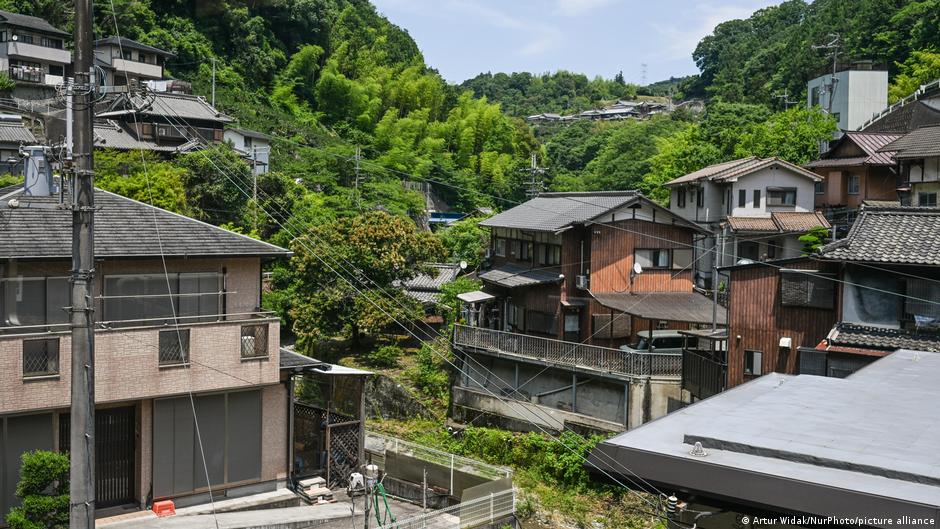
In Japan, superstitions surrounding homes where violent deaths have occurred significantly impact the housing market, leading to challenges in selling or renting such properties.
Context
The reluctance of many Japanese individuals to purchase or lease homes associated with sudden or violent deaths has prompted property owners to seek the assistance of 'ghost investigators' to alleviate concerns.S1S2
Key points
- Superstitions play a crucial role in the Japanese housing market.S1S2
- Homes where violent deaths occurred are often viewed as undesirable.S1S2
- Property owners are hiring 'ghost investigators' to help sell or rent these homes.S1S2
- The stigma surrounding such properties can lead to prolonged vacancies.S1S2
- Cultural beliefs significantly influence real estate transactions in Japan.S1S2
- Buyers and renters seek reassurance about the history of a property.S1S2
- The phenomenon reflects broader societal attitudes towards death and the supernatural.S1S2
- Real estate agents may need to disclose the history of a property to potential buyers.S1S2
Why it matters
- Understanding these superstitions is essential for navigating the Japanese real estate market.S1S2
- The reliance on ghost investigators highlights the intersection of culture and commerce.S1S2
- Addressing these concerns can lead to more successful property transactions.S1S2
What to watch
- Monitor trends in how cultural beliefs influence housing markets globally.S1S2
- Observe the effectiveness of ghost investigators in changing buyer perceptions.S1S2
- Watch for potential changes in real estate regulations regarding property history disclosures.S1S2