Dozens of cancer patients at the University Hospitals Coventry and Warwickshire NHS Trust (UHCW) were given the chemotherapy drug temozolomide, known as TMZ, for years longer than they should have been, according to a report from the Royal College of Physicians (RCP) that has prompted calls for a public inquiry. More than 40 patients say they suffered life-changing effects, and in some cases the treatment continued for more than a decade, although it should normally be used for only six months.
The RCP investigation was prompted by concerns over the practice of a recently retired consultant clinical oncologist, identified in the report only as Dr Y. The trust has named him as Professor Ian Brown, who worked there from 1996 to 2024. Colleagues raised concerns when his patients were handed over to them after he retired in December 2023. The RCP reviewed 20 cases, finding 15 unsatisfactory overall and five requiring improvement, with none rated as good practice. It found extended treatment given without evidence, concerns around consent, incorrect diagnoses and serious failures of clinical oversight, with no effective challenge from the wider multidisciplinary team, including nursing and pharmacy staff.S1S2
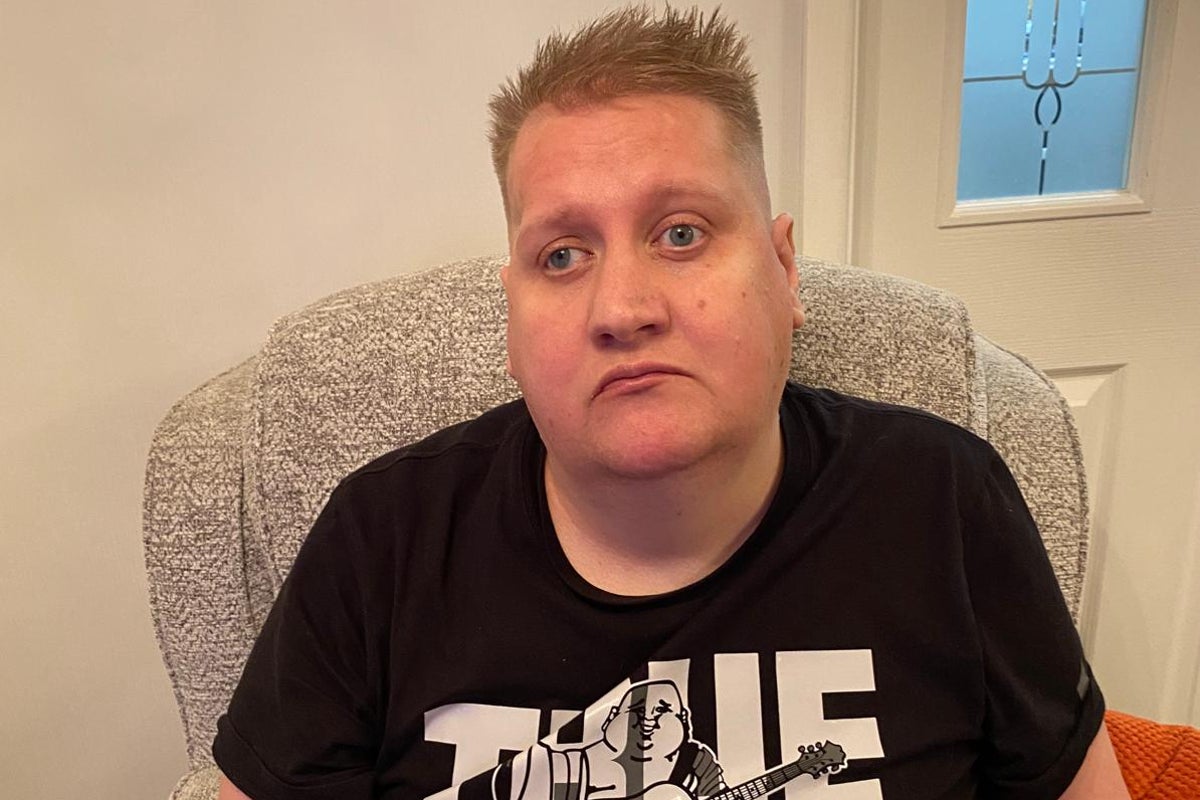
In the worst example, a patient received more than 100 cycles of TMZ before it was identified that they had a slow-growing, low-grade brain tumour, and later developed acute myeloid leukaemia, a fast-growing blood cancer. Developing new cancers is a known risk of drugs such as TMZ. Gayle Bodinnar says she had more than 150 rounds of the drug over at least 12 years, which left her housebound. Becky Jones, who was 21 when told she had a grade 4 glioblastoma and six to 12 months to live, received more than 100 cycles over more than a decade before independent experts concluded she had never had a brain tumour.S1
Working to strict definitions of harm, the review team concluded six patients suffered severe harm, five moderate harm and eight low levels of harm, while in one case it could not reach a judgment on moderate or severe harm. The RCP also found concerns in all 20 cases about how consent was obtained and explained, with some patients having no documented consent. Ms Jones said: "For years, I questioned why I was still being given chemotherapy when my scans were stable, but I was repeatedly told that without it I would die."S1S2
The RCP recommends an independent review for every living patient who received more than 12 monthly cycles of temozolomide.S1