The International Court of Justice is due to deliver its long-awaited judgment on Thursday in The Gambia's genocide case against Myanmar, seven years after the case was lodged in The Hague. The Gambia filed the case in November 2019, accusing Myanmar of breaking its obligations under the 1948 UN Genocide Convention, and asks the court to rule that Myanmar has breached the convention, order it to end any illegal activities targeting the Rohingya and ensure those responsible are punished.
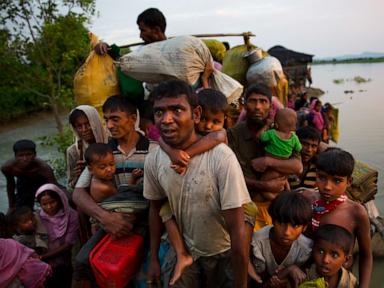
The Gambia has alleged that Myanmar waged a deliberate campaign of arson, rape and murder in Rakhine State from 2016 to 2017, intending to wipe out the Rohingya minority in whole or in part. A UN fact-finding mission later concluded that some 10,000 people likely died in the pogroms, and more than 700,000 Rohingya fled to neighboring Bangladesh, where about 1.2 million Rohingya refugees now live, primarily in congested camps across Cox's Bazar district. Myanmar defended its military campaign in public hearings as a legitimate counter-terrorism operation that did not amount to genocide.S1S2
The Rohingya have been denied citizenship since 1982, effectively rendering them stateless, and have faced decades of persecution. Aung San Suu Kyi, then Myanmar's de facto civilian leader, travelled to The Hague in 2019 to contest the allegations, calling them "incomplete and incorrect." In 2020 the court ordered Myanmar to take all steps within its power to prevent genocide against the Rohingya, an order rights groups say has been ignored. The military later ousted the elected government and a civil war continues.S1
If the judges rule that Myanmar committed genocide, it would be the first time the court has passed such a judgment. The ruling could also influence other cases, including genocide allegations linked to the Gaza conflict and the war in Ukraine that the court is also handling.S2