The brief
Japan's parliament has revised its imperial succession laws to ensure the continuity of the royal line, yet it continues to exclude women from the throne.
Context
The revisions come amid ongoing discussions about the future of the Japanese imperial family and the need for a stable succession plan.S1S2
Key points
- The new laws aim to secure the future of the imperial line.S1S2
- Women remain barred from ascending to the throne.S1S2
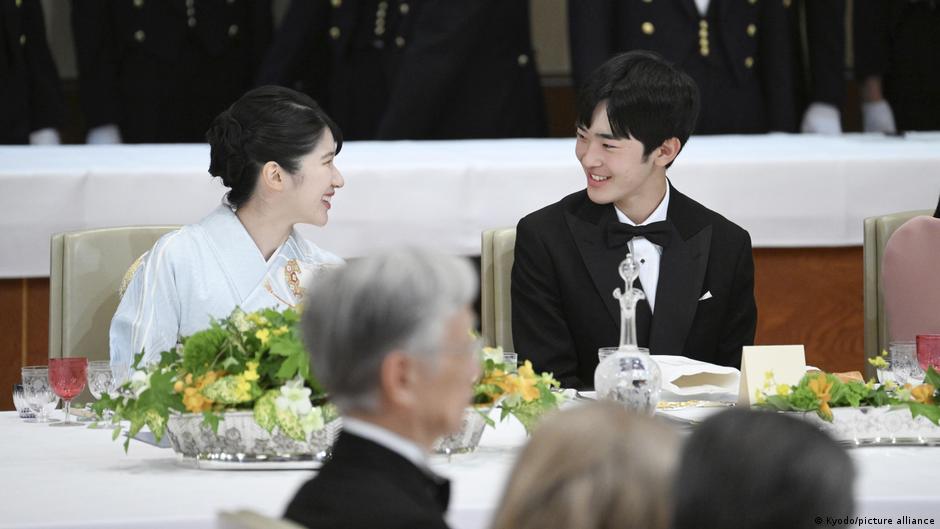
- Princess Aiko, a popular figure, would be next in line if gender were not a factor.S1S2
- The decision reflects traditional views on gender roles within the monarchy.S1S2
- The revisions have sparked debate about gender equality in Japan.S1S2
- Supporters argue the changes are necessary for the royal family's survival.S1S2
- Critics highlight the continued exclusion of women as a setback for progress.S1S2
- The imperial succession issue is part of broader discussions on women's rights in Japan.S1S2
Why it matters
- The decision impacts the future of Japan's imperial family and its public perception.S1S2
- It raises questions about gender equality and women's roles in leadership.S1S2
- The ongoing exclusion of women from the throne may influence societal attitudes toward gender issues.S1S2
What to watch
- Monitor public reactions to the revised succession laws.S1S2
- Watch for potential legislative proposals aimed at further reforming succession rules.S1S2
- Observe discussions on women's rights in Japan following this decision.S1S2