The brief
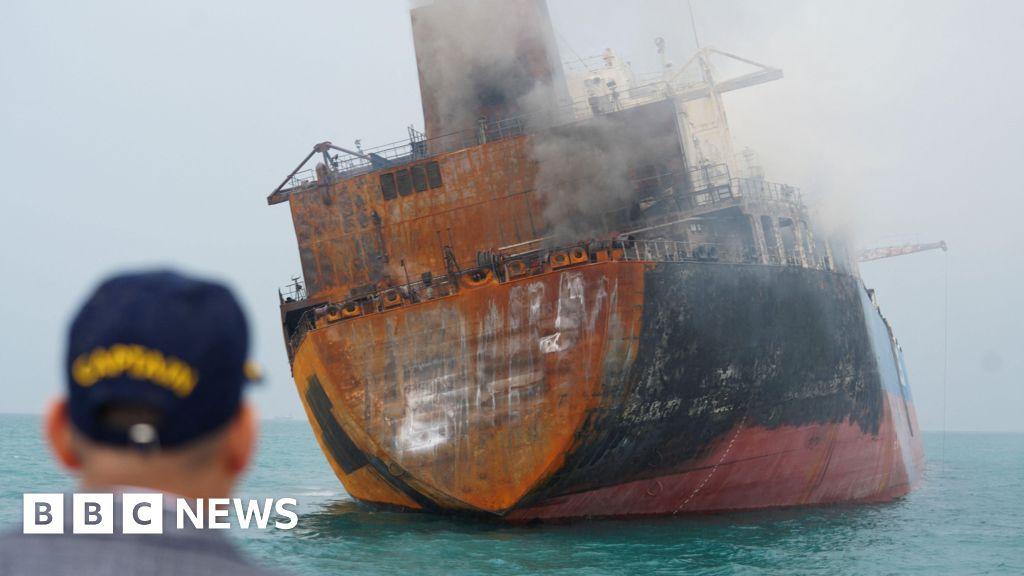
Recent attacks on energy facilities in the Gulf region have led to a significant increase in oil prices, raising concerns about inflation and economic stability.
Context
The attacks targeted key energy infrastructure, including Qatar’s Ras Laffan LNG terminal, the UAE’s Habshan gas facility, and Iran’s South Pars gasfield.S1
Key points
- Oil prices have jumped following attacks on Gulf energy facilities.S1
- The attacks have heightened fears of inflation due to potential disruptions in energy supply.S2
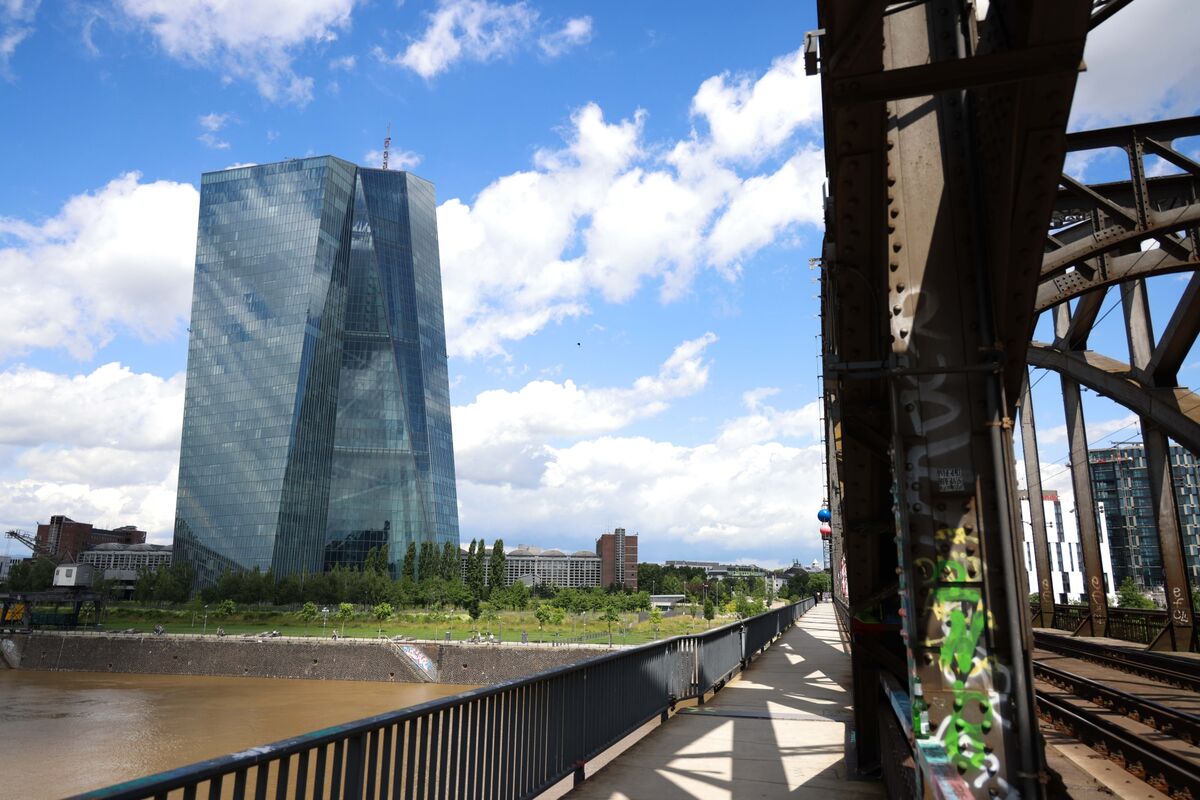
- Traders are now anticipating two interest-rate hikes from the European Central Bank this year.S2
- The energy sector is facing increased volatility as geopolitical tensions rise.S1
- The situation underscores the fragility of energy supply chains in the region.S1
- Market reactions indicate a strong correlation between energy security and economic policy expectations.S2
- Investors are closely monitoring developments in the Gulf for further impacts on oil prices.S1
- The attacks could lead to broader economic implications beyond the energy sector.S2
Why it matters
- Rising oil prices can lead to increased costs for consumers and businesses, affecting overall economic growth.S1
- Interest rate hikes may impact borrowing costs and investment decisions across various sectors.S2
- Geopolitical instability in energy-rich regions can have global economic repercussions.S1
What to watch
- Monitor further developments regarding the security of Gulf energy facilities.S1
- Watch for announcements from the European Central Bank regarding interest rates.S2
- Keep an eye on market reactions as more information about the attacks emerges.S1