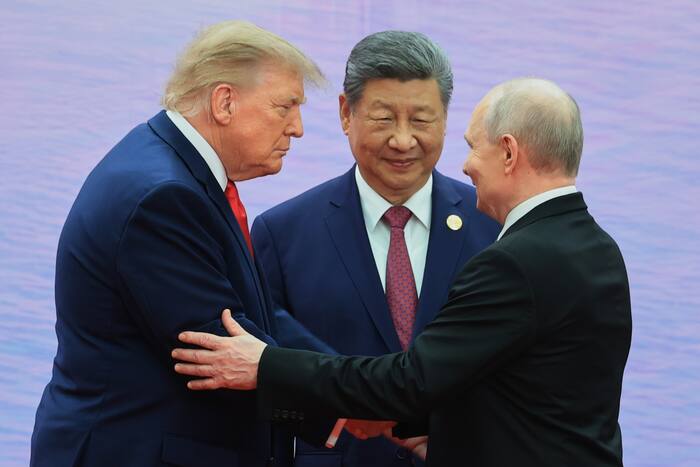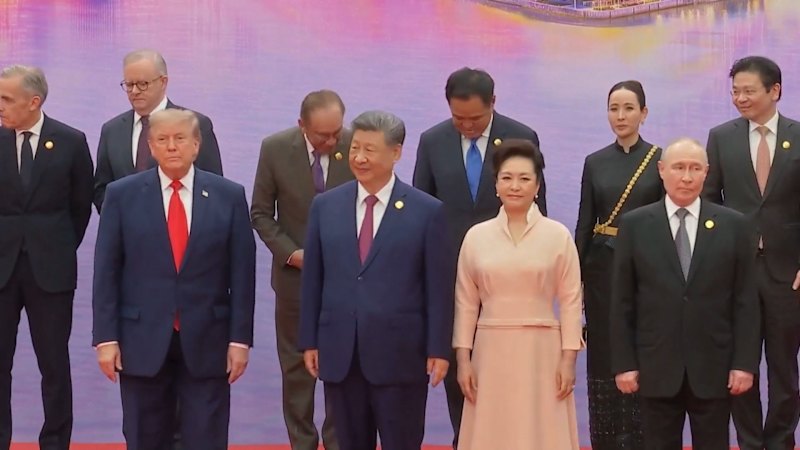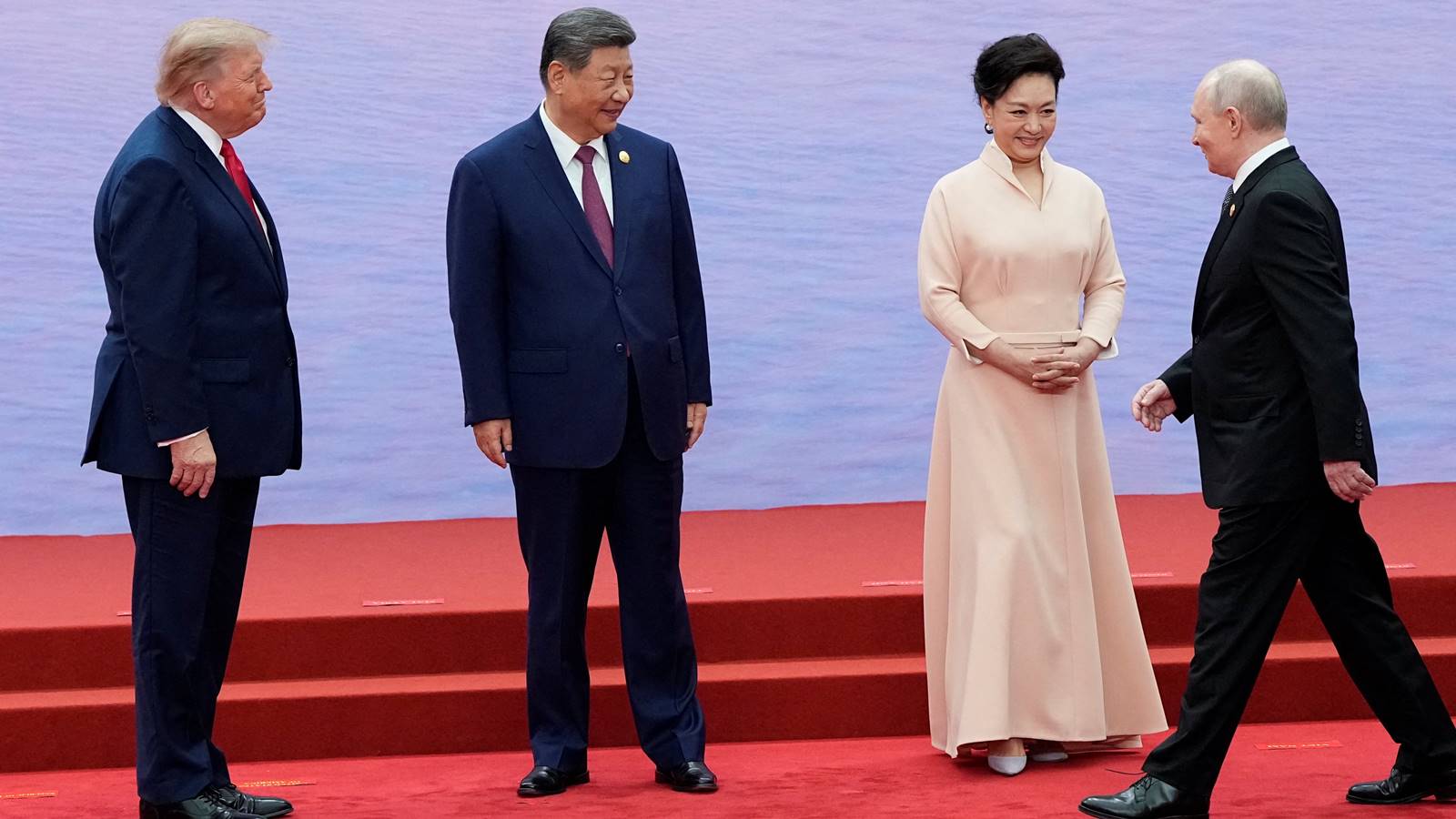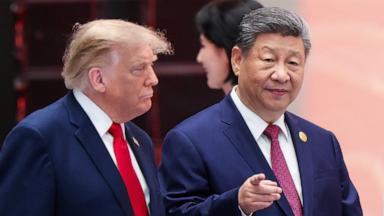
The Trump administration is evaluating new options to pressure Beijing to free two American citizens wrongfully detained in China on espionage allegations, U.S. officials told ABC News, as President Donald Trump makes a high-stakes visit to China. The two men are Youlin Chen, a Boston-based seismologist, and Min Zin, a doctoral candidate at the University of California, Berkeley. Trump has raised their cases in previous engagements with China's President Xi Jinping, but officials said Beijing has not seriously engaged in negotiations for their release.
A likely next step is elevating the State Department's travel advisory level for China, a diplomatic consequence that can have a chilling effect on travel and tourism, officials said. A far more severe option would be designating China a State Sponsor of Wrongful Detention, which opens the door to punitive measures including financial sanctions and visa restrictions. Officials did not indicate the administration was ready to take that step, but said it remains on the table. They added that any action would likely wait until after the president returns from Asia to give talks room to progress.S1S2
Trump said on Nov. 6 in West Palm Beach, Florida, that he talks with Xi about the detained Americans "a lot," and he intended to raise the issue during their meeting on the sidelines of the Asia-Pacific Economic Cooperation summit in Shenzhen, China, on Thursday. The State Department added a wrongful detention risk indicator to its travel advisory for mainland China in October, a move one official said was meant both to alert Americans to danger and to warn Beijing that further repercussions were coming. A State Department spokesman said the department does not preview potential designations or travel advisory changes.S1S2
China's foreign ministry has repeatedly rejected the State Department's determination that Chen and Min Zin were wrongfully detained, maintaining that Chinese judicial authorities are handling the cases in accordance with national law. According to the State Department, China's sweeping national security laws can treat routine research and data collection as a threat, putting academics at greater risk. Critics say the laws enable the Chinese Communist Party to target foreign nationals involved in politically sensitive topics, a stance that sits uneasily with Beijing's push to expand tourism and academic exchanges with foreign institutions, including in the U.S.S1S2