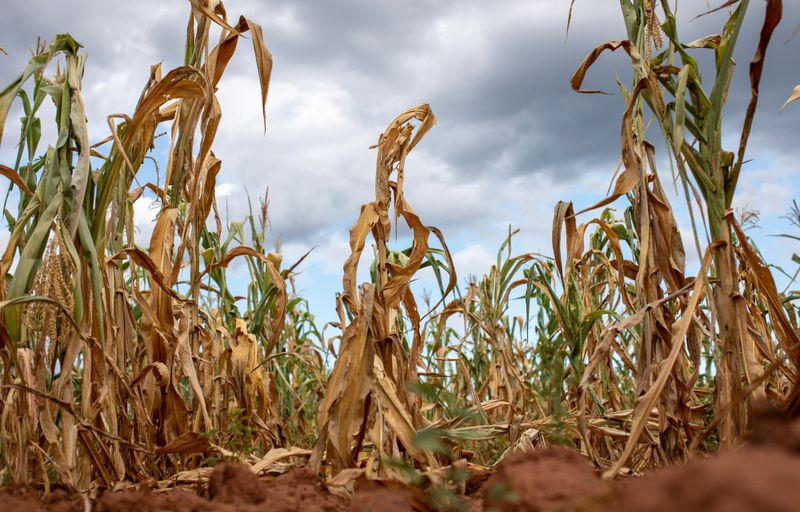
Fiji has declared a state of disaster as an El Nino-driven drought worsens across the Pacific nation. In a national address on Wednesday, Prime Minister Sitiveni Rabuka said the declaration would allow his government to scale up its response by mobilising resources and coordinating assistance as conditions continue to worsen.
Rabuka said families were concerned about water availability and the effects of prolonged dry conditions on daily life, while farmers were worried about crops and livestock. Communities in remote and maritime areas face growing pressure on their water supplies. The government has set aside 20 million Fiji dollars ($8.5 million) for the national response, redeployed from existing funds, to ensure emergency water supplies for families and farmers.S1
The state of disaster has been declared for one month. The government can extend or revoke it based on the advice of the National Disaster Risk Management Council.S1
El Nino is a natural climate pattern in which surface temperatures in the central and eastern Pacific Ocean become unusually warm, causing weather extremes around the world, including drought in some regions and flooding in others. Some scientists say global warming may increase its intensity. The US Climate Prediction Center said last week that El Nino is strengthening, with a greater than 79% chance of a strong-to-very-strong event through January to March. Australia in June said El Nino could intensify in the second half of 2026 to become one of the strongest in seven decades.S1
Fiji's national weather bureau warned in October that strong El Nino conditions persist across the tropical Pacific. The Fiji Meteorological Service said rainfall is likely to remain below normal from November through April, while daytime temperatures are expected to exceed normal levels through January across most of the country.S1