Apple's challenge to a UK government demand for access to encrypted customer data can now be heard largely in public, after a tribunal rejected the Home Office's attempt to keep the order secret, according to the Financial Times. The Investigatory Powers Tribunal ruled that the British government had failed to demonstrate that confirming the demand would damage national security.
The decision requires the Home Office to acknowledge that it served Apple with a technical capability notice (TCN), an order that can compel companies to make customer data accessible to UK security services, even when it is encrypted. The tribunal found that disclosures to the media, including the Financial Times, and discussions with U.S. officials had already departed significantly from the government's policy of neither confirming nor denying such notices. It described the suggestion that official acknowledgment would threaten national security or give a malicious actor fresh information as "fanciful."S1S2
The ruling means that much of the legal action brought by Apple, alongside a separate challenge from Privacy International and Liberty, can proceed in open court. Apple filed its latest challenge in July, following a second TCN. The Home Office had previously agreed to withdraw an earlier demand covering UK and U.S. customers after a dispute with the American government, and the replacement notice is believed to focus on UK users specifically.S1
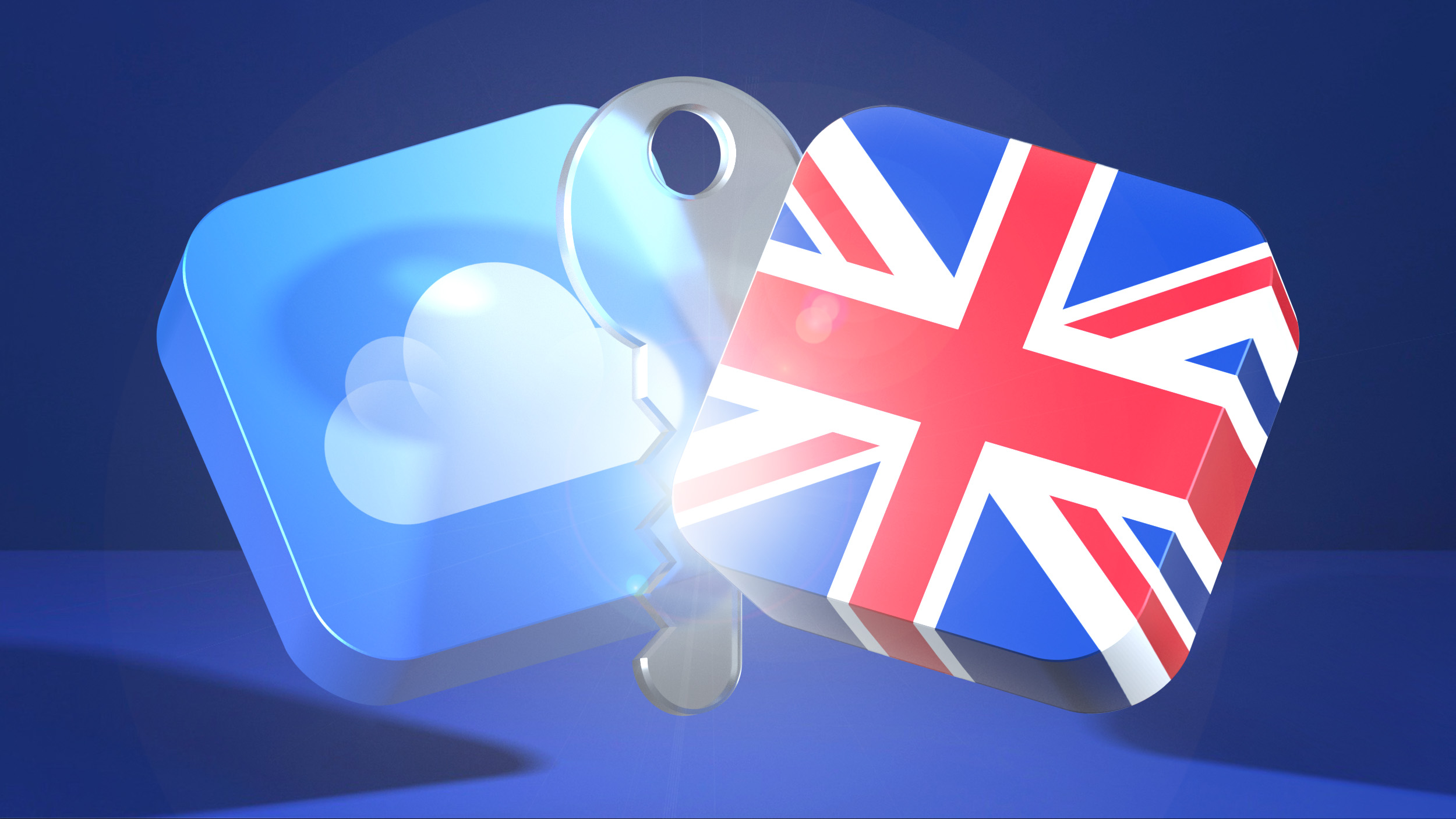
The dispute led Apple to stop offering Advanced Data Protection (ADP) to new users in the UK in February 2025. The iCloud feature provides end-to-end encryption for device backups, photos and notes, meaning Apple does not hold the keys needed to decrypt them. UK users who had not already enabled ADP can no longer turn it on, while existing users can keep it active unless they disable it themselves. Apple said affected users will be given a period to do so, but no deadline has yet been provided. Without ADP, that iCloud data uses standard protection, under which Apple holds the keys and can provide data in response to valid legal demands. iMessage and FaceTime remain end-to-end encrypted.S1
The tribunal will now hear much of the arguments over the government's encryption demands in public, although the legality of those demands is still to be decided. Privacy International lists the substantive hearing for its separate challenge as scheduled for December 2026.S1