The brief
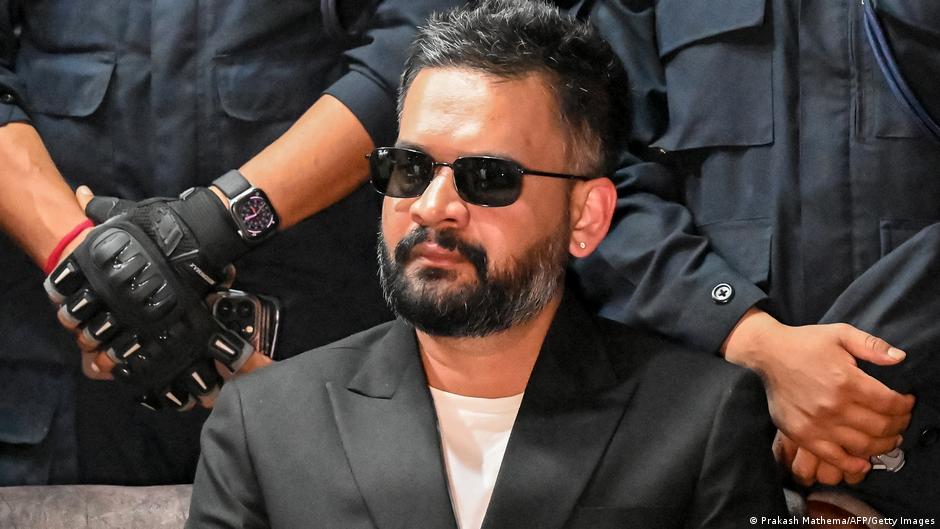
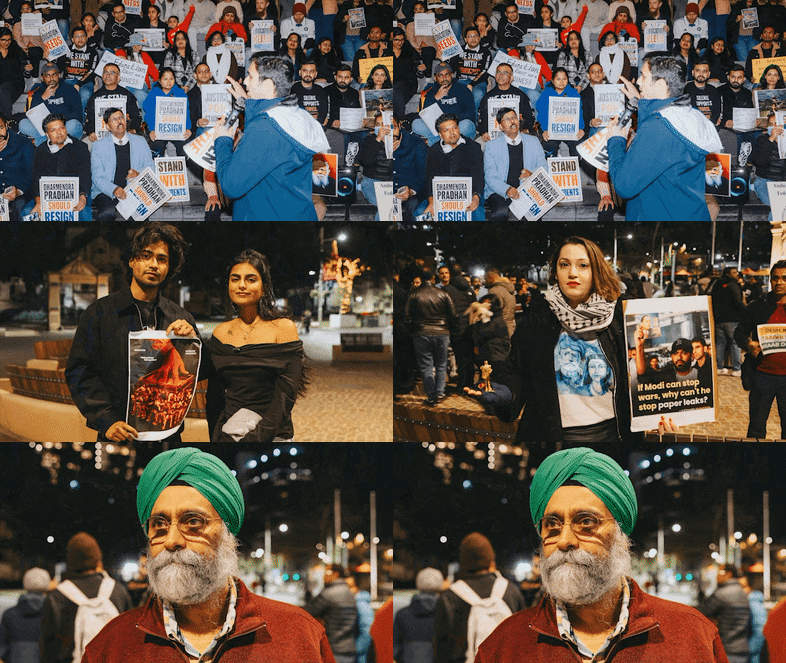
Thousands of protesters, led by the youth-driven Cockroach Janta Party, are set to march to the Indian parliament despite police denying permission for the demonstration.
Context
The march is a response to recent events, including the forcible removal of activist Sonam Wangchuk from a hunger strike, which has galvanized support among students and activists.S2S4
Key points
- The Cockroach Janta Party (CJP) is organizing the march to demand reforms in the education system.S3S4
- Protesters are calling for the resignation of Prime Minister Narendra Modi and his education minister.S4
- The movement has gained momentum following police actions against activists, including the hospitalization of Sonam Wangchuk.S2S4
- Thousands of students, parents, and political leaders are expected to participate in the march.S3
- The protest is set to take place in New Delhi, specifically from the Jantar Mantar area to the parliament.S3
- The CJP has vowed to proceed with the march despite police warnings and lack of official permission.S1S2
- The event highlights growing discontent among youth regarding educational policies and governance.S4
- The march is seen as a potential showdown between protesters and law enforcement.S2
Why it matters
- The protests reflect a significant youth-led movement advocating for educational reforms in India.S4
- The situation underscores tensions between the government and student activists, which could influence future political dynamics.S2
- The response to police actions may set a precedent for how similar protests are handled in the future.S1
What to watch
- Monitor the outcomes of the march and any potential clashes with law enforcement.S2
- Watch for government responses to the demands of the protesters and any changes in policy.S4
- Keep an eye on the involvement of other political groups and leaders in the protest movement.S3