The brief
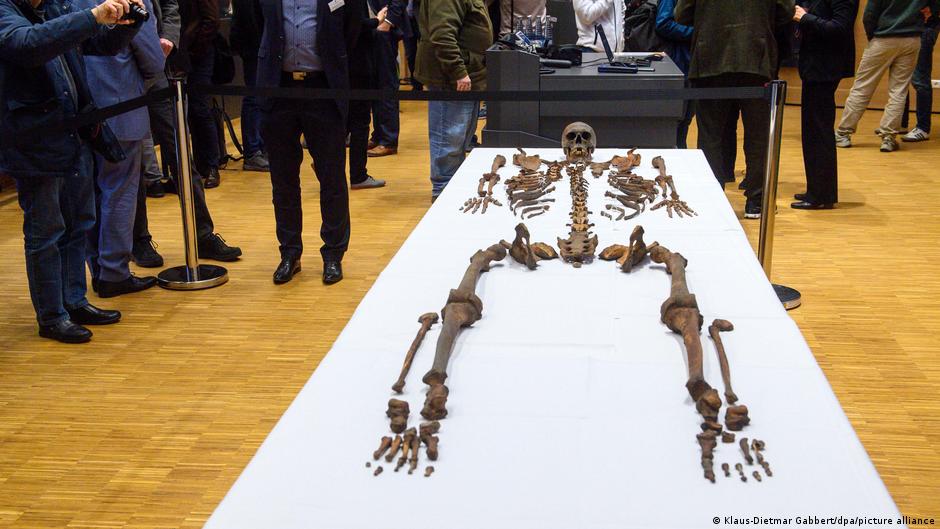
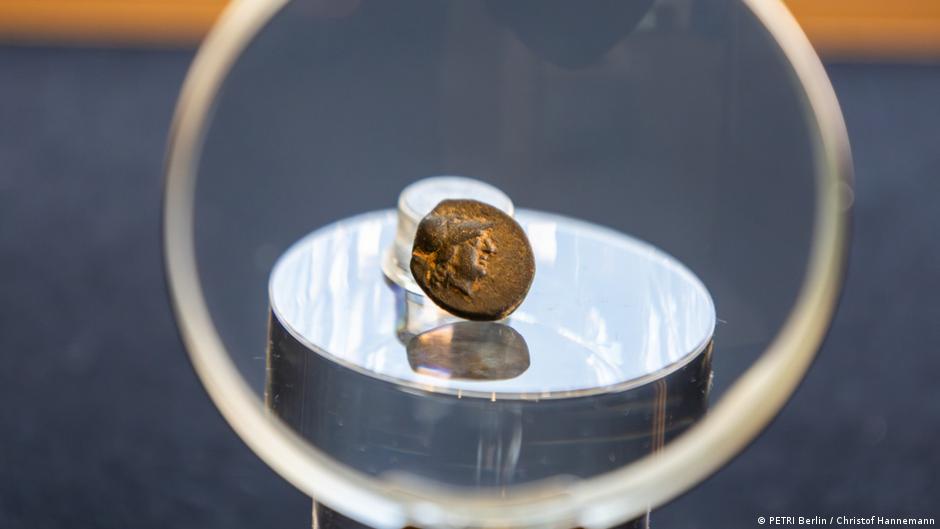
Researchers have concluded that the remains found in the sarcophagus of Otto the Great in Magdeburg Cathedral are almost certainly those of the former Holy Roman Emperor.
Context
The sarcophagus of Otto the Great was opened due to damage, prompting a detailed analysis of its contents.S1S2
Key points
- The remains were analyzed after the sarcophagus was damaged.S1S2
- Researchers are confident that the remains belong to Otto I.S1S2
- Otto the Great was a significant figure in the Holy Roman Empire.S1S2
- The analysis involved various scientific methods to confirm the identity.S1S2
- The findings contribute to historical understanding of the period.S1S2
- The sarcophagus is located in Magdeburg Cathedral, a site of historical importance.S1S2
- This discovery may lead to further research on Otto I's life and legacy.S1S2
- The confirmation of the remains could impact the tourism and cultural significance of the cathedral.S1S2
Why it matters
- Understanding the identity of the remains enhances historical knowledge of the Holy Roman Empire.S1S2
- The findings may influence how historians view Otto I's role in European history.S1S2
- This research underscores the importance of archaeological studies in confirming historical narratives.S1S2
What to watch
- Monitor for potential exhibitions related to the findings at Magdeburg Cathedral.S1S2
- Watch for further academic publications detailing the research methods used.S1S2
- Keep an eye on discussions regarding the implications of this discovery for historical tourism.S1S2