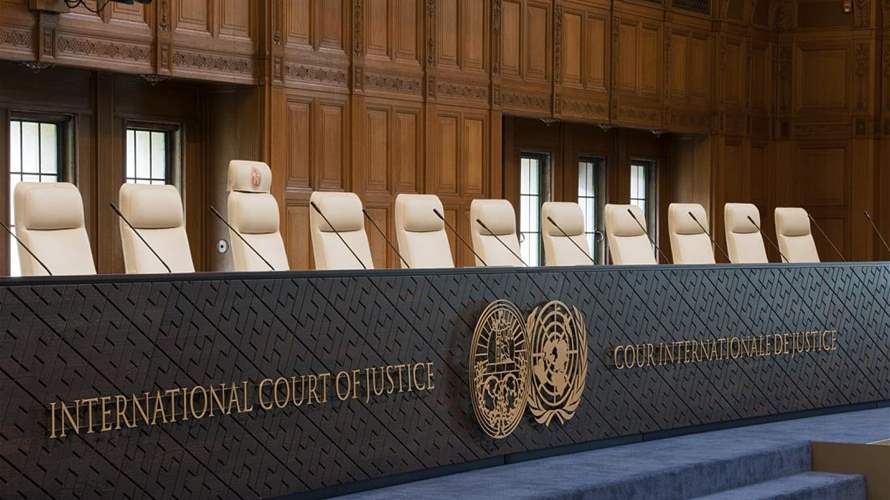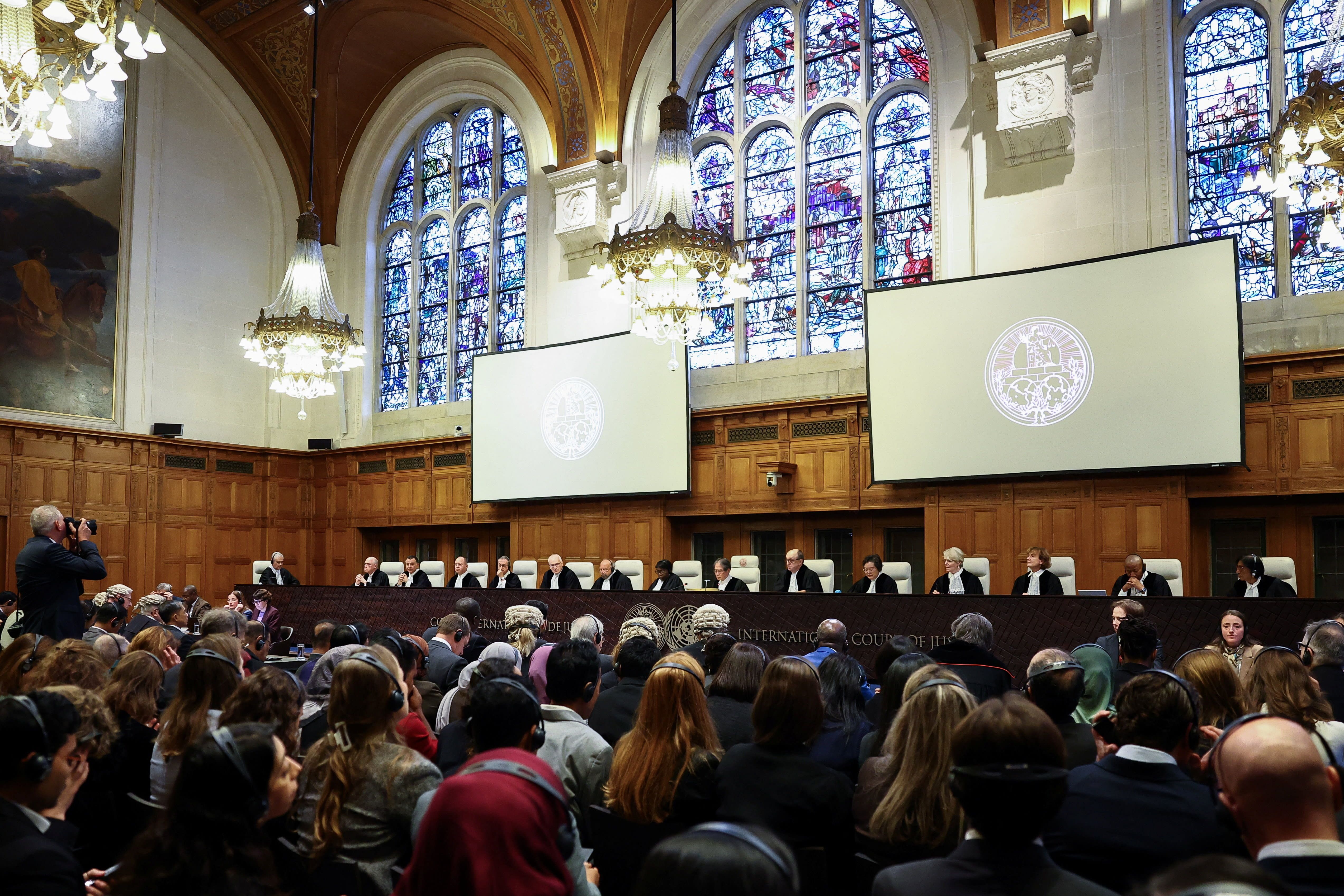
Myanmar's government said on Friday that a ruling by the International Court of Justice finding state-sponsored genocide against the Rohingya Muslim minority was unfair and not unanimous, and that the country had been unjustly accused. Government spokesperson Khaing Khaing Soe made the remarks at a press conference in the capital Naypyitaw.
The ICJ ruling was the first time the court has held a state responsible for genocide, coming seven years after the case was filed by predominantly Muslim Gambia. It was the fourth time since the Nazi Holocaust that an international court found the legal threshold for genocide had been met. Judges found that Myanmar's military carried out mass executions of men and boys, committed widespread rape and sexual violence against Rohingya women, and burned or razed hundreds of villages during so-called clearance operations.S1
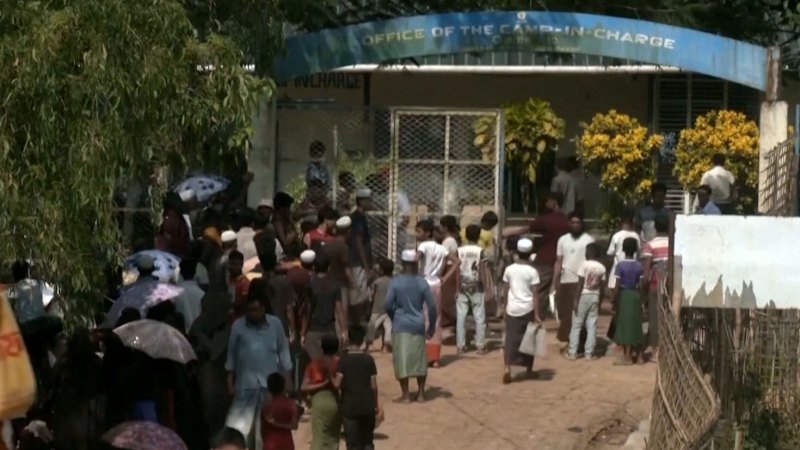
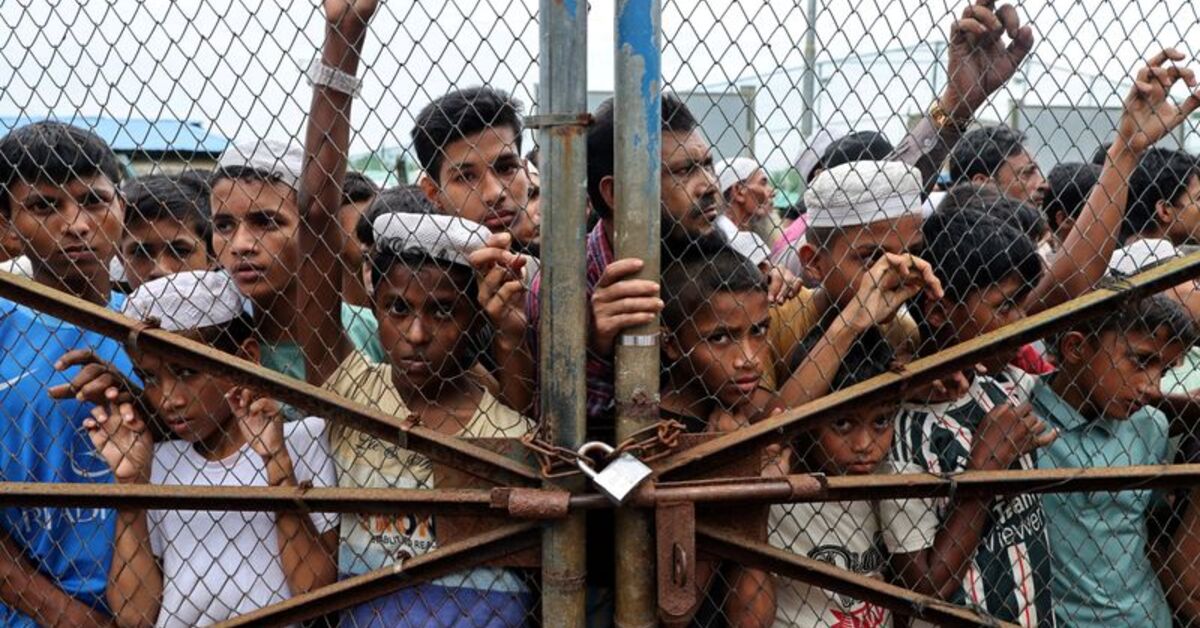
Inside camps in Bangladesh, thousands of Rohingya refugees celebrated the verdict, which was delivered on Thursday. About 1.2 million Rohingya live on a southeastern sliver of Bangladesh near the Myanmar border, and Bangladesh, struggling to support them as international aid dwindles, called repatriation the only viable solution. State minister for foreign affairs Humaiun Kobir told Reuters on Friday that safe passage could take one to 1.5 years, pressed through multilateral efforts.S2
Analysts say repatriation remains unlikely. Sai Kyi Zin Soe, an independent Myanmar analyst, said the likelihood of safe return to the homeland remains low, pointing to a civil war that followed the overthrow of Aung San Suu Kyi's elected government in February 2021. Renewed fighting since late 2023 between the military and the Arakan Army has left the rebel group in control of nearly all of Rakhine State, where most refugees would return. The Arakan Army has made no public comment on the verdict.S2