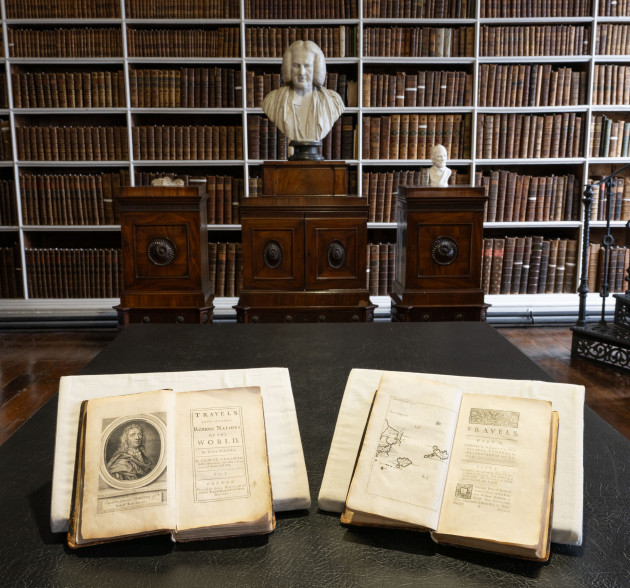
Armagh Robinson Library in Co Armagh is celebrating the 300th anniversary of Jonathan Swift's satirical novel Gulliver's Travels with a copy of Swift's own first edition, in which he hand-wrote back the original words his publisher had removed. The original London publisher, Benjamin Motte, altered the text in 1726 to avoid prosecution for political libel, a change that infuriated the Dublin-born Swift.
The novel mocks 18th-century politics, science and human nature through fantastical lands. Swift physically crossed out the publisher's safe edits in the margins of his copy and restored his original, dangerous wording. The original manuscript has been lost, so the annotated copy offers one of the closest insights into the author's unfiltered mind.S1S2
A library spokesperson said the handwritten notes give a rare insight into Swift's dissatisfaction with the version that first reached readers and a glimpse of the version he originally intended. In the Georgian era, the unfiltered satire would have been dangerous, directly targeting the government, monarchy and legal profession, which is why it was censored. The spokesperson said Swift's frustration with that censorship is vividly alive on the library's pages.S1S2
The Georgian building, dating to 1771, sits in the heart of Armagh city, a place where Swift spent some time and may have drawn inspiration for some of his writing. The library is marking the anniversary with a lecture by Aileen Douglas, professor of eighteenth-century studies at Trinity College Dublin, Swift's alma mater. Titled Travels with Gulliver, the Rokeby Lecture will explore how readers have engaged with Swift's imaginary lands and how the book has travelled through countless versions, including illustrations, retellings and adaptations for children.S1S2
The lecture forms part of this year's Armagh Georgian Festival, which celebrates the region's Georgian heritage, including Swift's profound local influence.S2