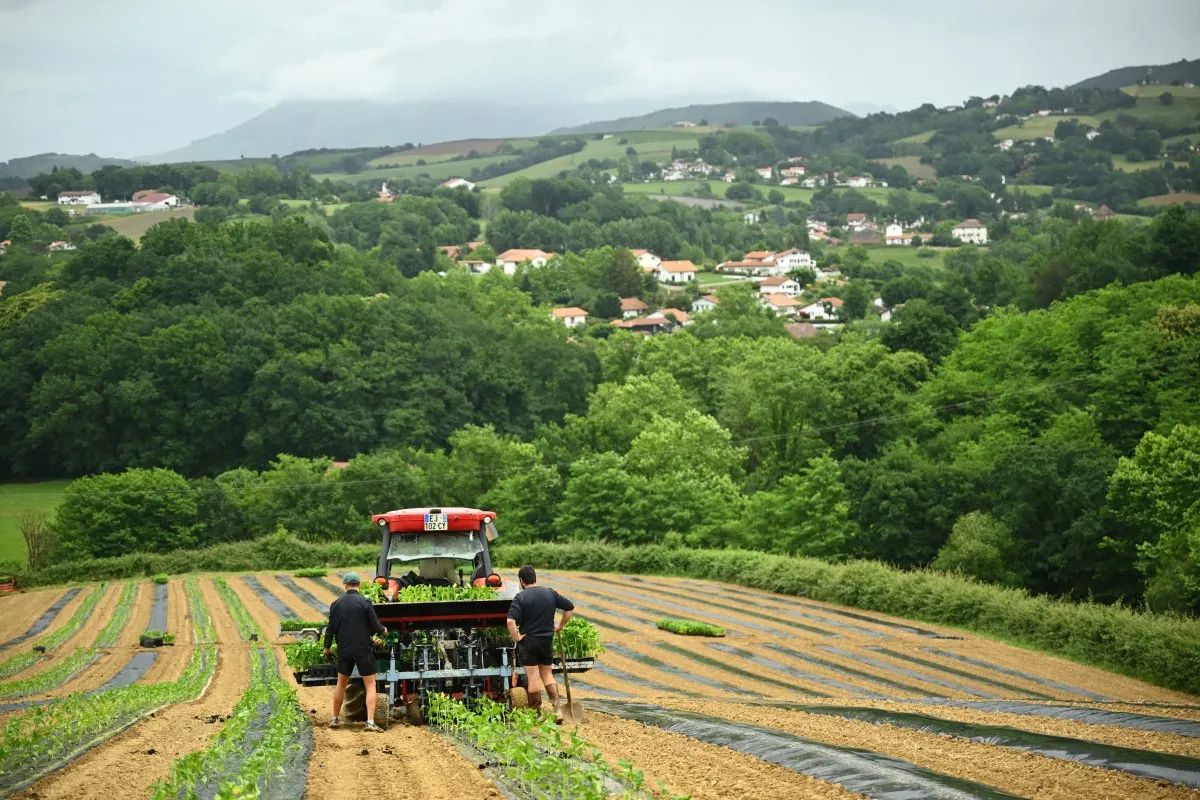
Rural France forms an important battleground in the 2027 presidential election, with one third of the country's population living there and facing specific challenges including transport and access to healthcare. Rural residents are more likely to rely on their own cars for work, shopping and medical visits, are likely to be less well off than people in towns and cities, and find many public services, including healthcare, reduced or harder to reach.
A 2025 Ipsos study found that 84 percent of rural respondents felt national media ignore rural life, and 81 percent felt rural France is treated as a zone in decline, abandoned by Paris. Populist candidates tap into this sentiment with campaigns framed around defending la France oubliée, or "forgotten France", which is home to 22 million people out of a total population of 67 million.S1
Marine Le Pen's Rassemblement National is strong at the local level in rural France, electing many local mayors and councillors. A 2018 study found that distance from the nearest train station was the single biggest indicator of a vote for Le Pen. Her party's policies aimed at rural residents include requiring public schools, hospitals and administrative canteens to source at least 80 percent French agricultural products, a pledge to stop the installation of wind turbines and solar panels on rural land, and a programme to help livestock farmers manage heatwaves. She also proposes excluding agriculture from international free-trade agreements such as the Mercosur treaty, which is unpopular with many French farmers.S1