A federal appeals court on Monday declined to block the U.S. Army from detonating five tons of explosives containing lead azide at the Iowa Army Ammunition Plant in Middletown, a small town near the Mississippi River in southeastern Iowa. The ruling cleared a key legal hurdle, but the next step remains uncertain because President Donald Trump said the blast would not proceed unless Democratic Gov.-elect Rob Sand also agrees to it.
The 8th Circuit Court of Appeals denied an emergency request from the Iowa Environmental Council and the Sierra Club to block the detonation, lifting a temporary pause it had issued the previous week. Environmental groups had argued the planned blast could send a plume of toxic lead particles into the surrounding area and that the Environmental Protection Agency had not given enough notice or weighed the risks before granting the Army permission. The court said the groups had failed to show they were likely to succeed, adding that "the degraded explosives present a risk of an uncontrolled and unplanned explosion, which would occur without the benefit of the safety measures that the Permit puts in place."S1S2
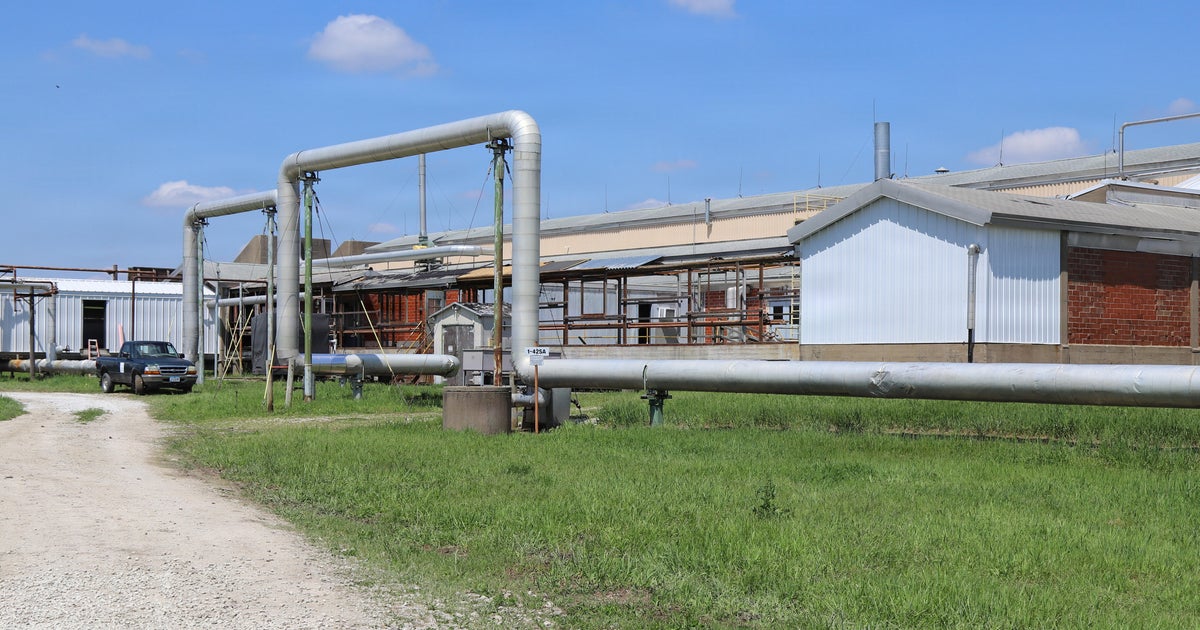
The Army has stored the lead azide in earthen-covered containers for decades at the plant. The government said it discovered earlier this year that the material had deteriorated and crystallized, and it argues the detonation is necessary because the material could explode unexpectedly. The Army has said it needs to act before cold weather causes the crystals to break down further, making a spontaneous explosion more likely.S1S2
Trump said on social media that he had ordered the military to hold off until the Eighth Circuit agreed and until Sand signed off, warning that if either did not agree he would hold the incoming governor responsible for any death or destruction. Sand declined to approve or reject the blast, saying the administration should base its decision on information from the officials it had brought in months earlier and who had been on the ground in Middletown for weeks. He said Iowans were entitled to know how the situation developed and asked the federal government to publicly release the same briefing details he had received as soon as possible.S1S2
The Army had originally scheduled the detonation for Friday, then moved it to Monday, and then to Wednesday, citing the need for more optimal weather conditions and mitigation measures. Acting Army Secretary Adam Telle said in a statement that the delay pushed the detonation to the latest possible moment before a forecasted temperature drop, which would risk further destabilizing the material.S1S2