The brief
Iran has launched multiple ballistic missiles at US forces in the Middle East, marking a significant escalation in hostilities after a brief pause in fighting.
Context
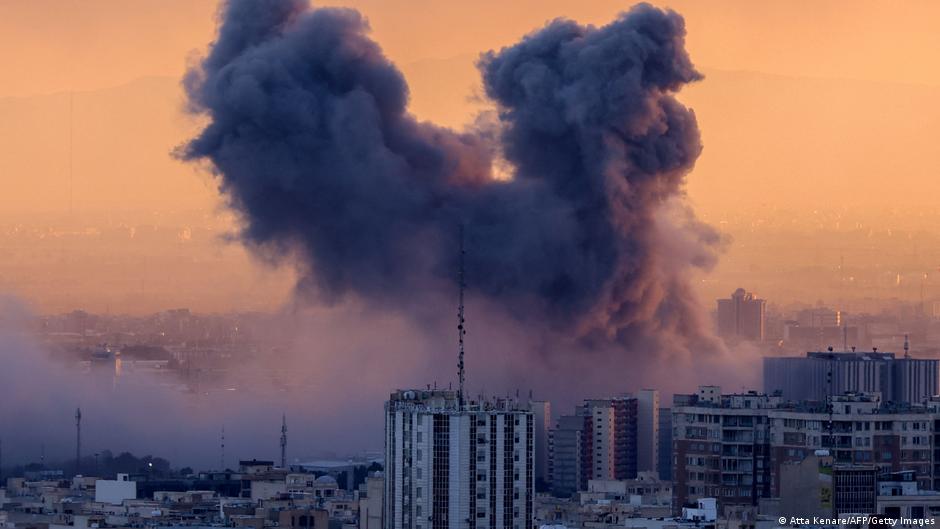
The missile attack occurred during a period of heightened tensions between Iran and the US, following nearly two weeks of nightly US strikes on Iranian positions.S1S2
Key points
- The US military reported that the missiles were launched by the Islamic Revolutionary Guards Corps.S1
- The attack was described as an 'attempted surprise attack' by Iran.S2
- All missiles launched by Iran were successfully intercepted by US defense systems.S2
- The missile launch disrupted ongoing mediation efforts aimed at achieving a ceasefire between the two sides.S1
- This incident follows a period of relative calm after intense military exchanges in the region.S1
- The US has been conducting strikes against Iranian targets in the Middle East as part of its military strategy.S1
- The attack highlights the ongoing volatility in the region, particularly around the Strait of Hormuz.S1
- Iran's missile capabilities pose a significant threat to US forces stationed in the Middle East.S2
Why it matters
- The escalation of hostilities raises concerns about the potential for a broader conflict in the region.S1
- Successful interception of missiles demonstrates the effectiveness of US defense systems, but the threat from Iran remains significant.S2
- The incident complicates diplomatic efforts aimed at reducing tensions between the US and Iran.S1
What to watch
- Monitor developments regarding US military responses to the missile attack.S1
- Watch for updates on diplomatic negotiations aimed at achieving a ceasefire in the region.S1
- Keep an eye on Iran's military activities and potential retaliatory actions following the interception of its missiles.S2