The brief
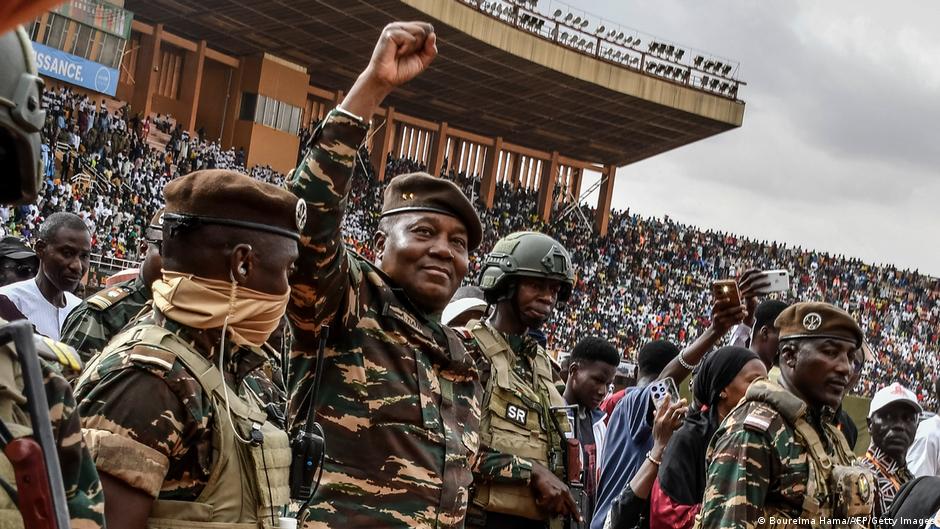
Niger's junta government has dismissed a European Parliament resolution urging the release of ousted President Bazoum, asserting its sovereignty against external interference.
Context
The situation in Niger has escalated following the military coup that ousted President Bazoum, leading to increased tensions with international bodies.S1S2
Key points
- The junta has explicitly rejected the EU's demand for Bazoum's release.S1S2
- Niger's government has warned the EU against interfering in its internal matters.S1S2
- The European Parliament's resolution reflects growing international concern over the political situation in Niger.S1S2
- The junta's stance indicates a firm commitment to maintaining control over the country's governance.S1S2
- The rejection of the EU's call may lead to further diplomatic isolation for Niger.S1S2
- The situation highlights the broader challenges of governance and democracy in the region.S1S2
- International responses to the coup have varied, with some countries imposing sanctions.S1S2
- The junta's actions could influence future relations with Western nations and organizations.S1S2
Why it matters
- The junta's rejection of the EU's call raises questions about the future of democracy in Niger.S1S2
- This situation may set a precedent for other nations experiencing similar political upheavals.S1S2
- The response from the EU could impact its influence in West Africa.S1S2
What to watch
- Monitor potential sanctions or diplomatic actions from the EU in response to Niger's stance.S1S2
- Watch for reactions from other international organizations regarding the situation in Niger.S1S2
- Observe how the junta's governance affects stability and security in the region.S1S2