The brief
The Trump administration is easing sanctions on certain Iranian oil stockpiles to address a worsening energy crisis, despite ongoing tensions with Iran.
Context
The decision comes as the administration faces challenges in controlling rising oil prices during a conflict with Iran.S1
Key points
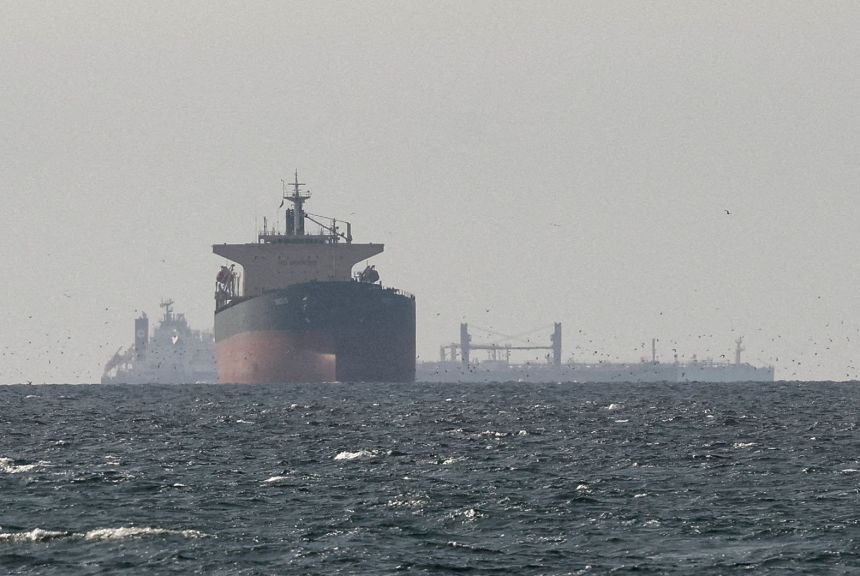
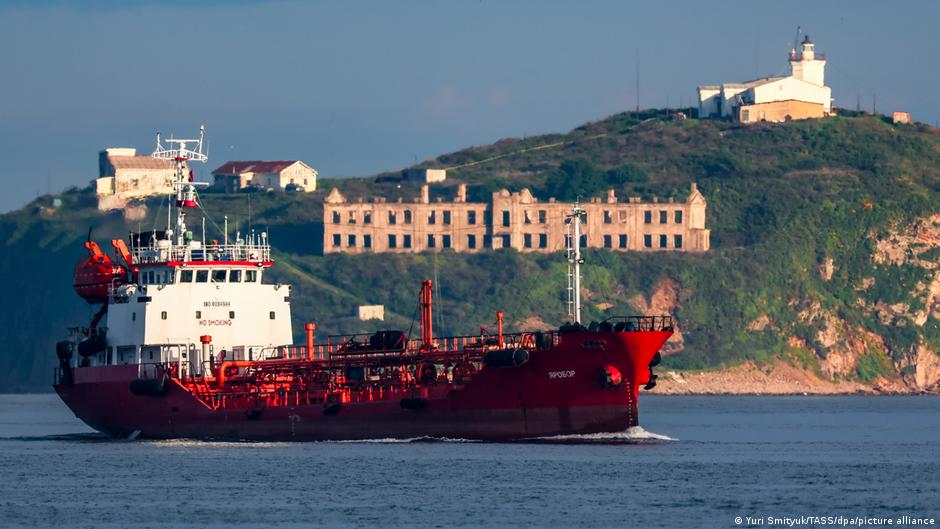
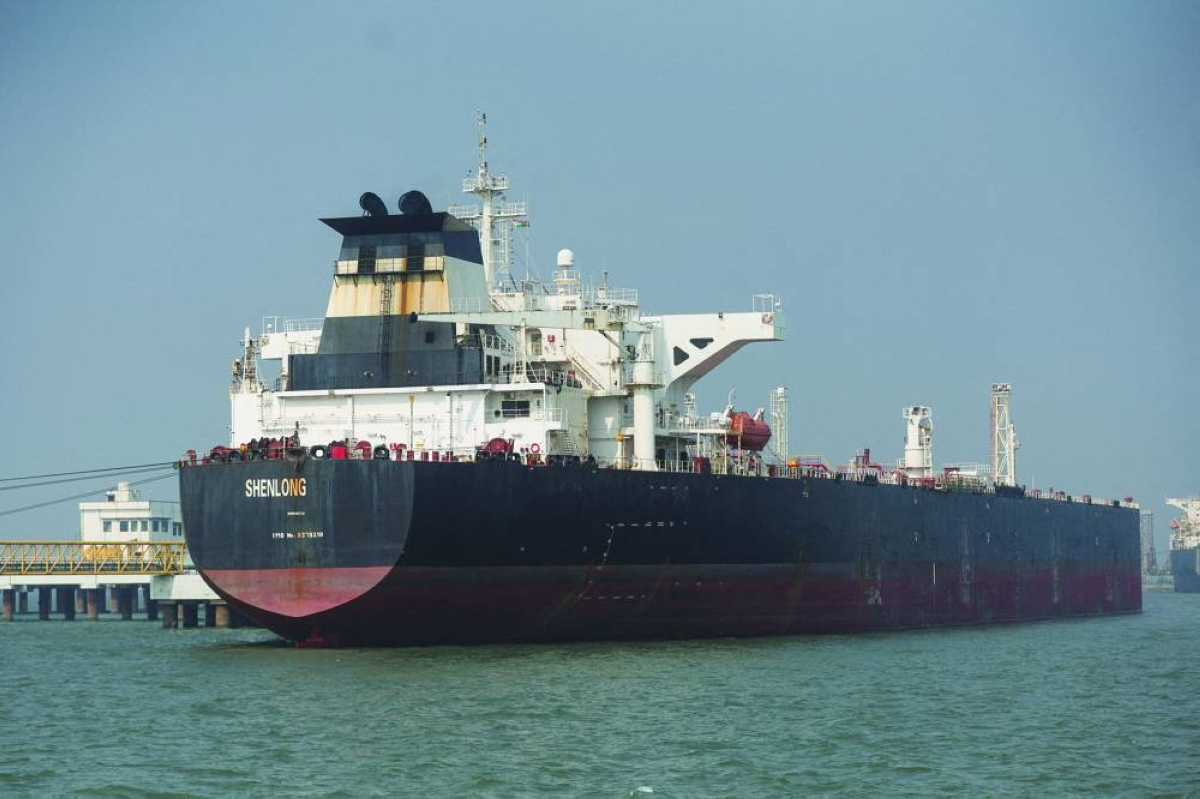
- The easing of sanctions allows for the sale of Iranian crude oil already at sea.S2
- This move is part of a broader strategy to secure additional oil supplies amid an energy crisis.S1
- The administration's actions reflect a desperate push to manage skyrocketing oil prices.S1
- The revenue generated from these oil sales may support Iran's military efforts against the U.S.S2
- The sanctions relief is controversial given the ongoing conflict with Iran.S1
- The Treasury Department's authorization is a significant shift in U.S. policy towards Iranian oil.S2
- The decision highlights the complexities of U.S. foreign policy in the context of energy needs.S1
- The administration is running out of options to contain rising energy costs.S1
Why it matters
- Easing sanctions could have implications for U.S.-Iran relations and regional stability.S1
- The move may influence global oil markets and pricing dynamics.S2
- It raises questions about the effectiveness of sanctions as a tool for U.S. foreign policy.S1
What to watch
- Monitor how this policy shift affects oil prices in the coming weeks.S1
- Watch for potential reactions from Iran regarding the sanctions relief.S2
- Observe the impact on U.S. relations with allies concerned about Iranian oil sales.S1



/file/attachments/2998/14341149_774243.jpg)