The brief
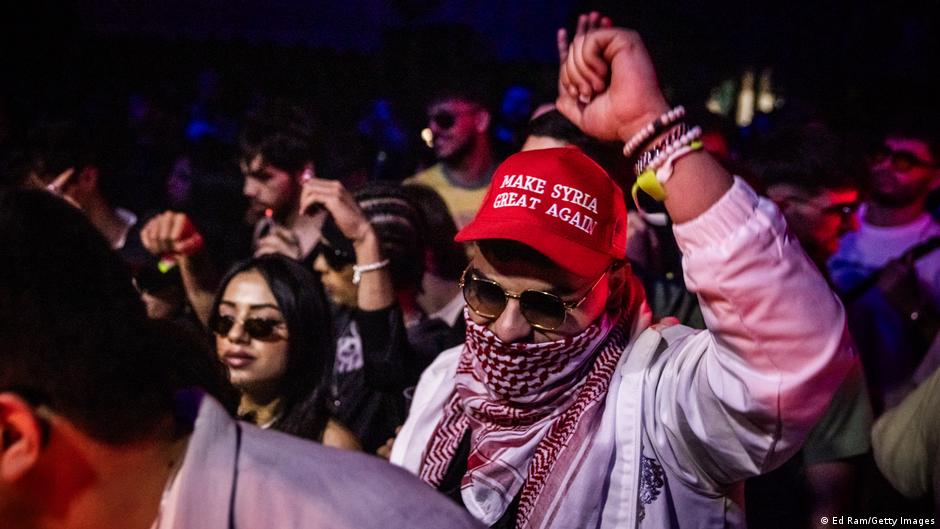
A recent ban on alcohol in Damascus has ignited discussions among Syrians regarding personal freedoms and the future of governance in the country.
Context
The ban has been interpreted by some as a sign of increasing authoritarianism in Syria, raising questions about the direction of the nation's policies and societal norms.S1S2
Key points
- The alcohol ban has sparked significant debate among the Syrian populace.S1S2
- Many view the ban as indicative of broader issues related to governance in Syria.S1S2
- The discussion surrounding the ban touches on themes of personal freedoms.S1S2
- Community unity is also a focal point in the conversations about the ban.S1S2
- Critics argue that such bans reflect a shift towards more authoritarian governance.S1S2
- Supporters of the ban may see it as a move towards moral or social order.S1S2
- The implications of the ban extend beyond alcohol consumption to societal values.S1S2
- The debate is part of a larger discourse on the future of Syria post-conflict.S1S2
Why it matters
- Understanding the implications of the ban can provide insight into the evolving political landscape in Syria.S1S2
- The discussion reflects broader concerns about civil liberties in the region.S1S2
- The ban may influence community dynamics and social cohesion in Syrian society.S1S2
What to watch
- Monitor further developments regarding government policies on personal freedoms in Syria.S1S2
- Watch for public reactions and protests related to the alcohol ban.S1S2
- Observe how this ban may affect international perceptions of Syria's governance.S1S2