The brief
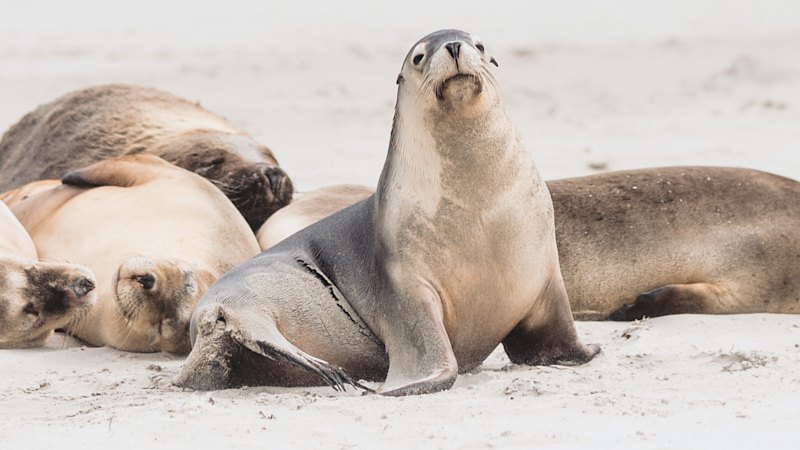
Authorities are taking measures to protect endangered sea lions following the local transmission of the H5N1 virus, which poses a significant threat to wildlife.
Context
The H5N1 virus, known for its impact on birds, has now been detected in local wildlife, prompting urgent action from authorities.S1S2
Key points
- Local transmission of the H5N1 virus has been confirmed.S1S2
- Authorities are implementing protective measures for endangered sea lions.S1S2
- The spread of H5N1 is alarming for both birds and marine life.S1S2
- The situation highlights the risks posed by zoonotic diseases to wildlife.S1S2
- Endangered species are particularly vulnerable to outbreaks of infectious diseases.S1S2
- The response includes monitoring and potential interventions to safeguard affected populations.S1S2
- Public awareness campaigns may be initiated to inform about the virus and its risks.S1S2
- The situation is being closely monitored by wildlife authorities and health officials.S1S2
Why it matters
- Protecting endangered species is crucial for biodiversity and ecosystem health.S1S2
- Local transmission of H5N1 could have broader implications for wildlife and public health.S1S2
- The situation underscores the need for ongoing surveillance of zoonotic diseases.S1S2
What to watch
- Watch for updates on the effectiveness of protective measures for sea lions.S1S2
- Monitor any changes in the spread of the H5N1 virus among local wildlife.S1S2
- Keep an eye on public health advisories related to the H5N1 virus.S1S2