The brief
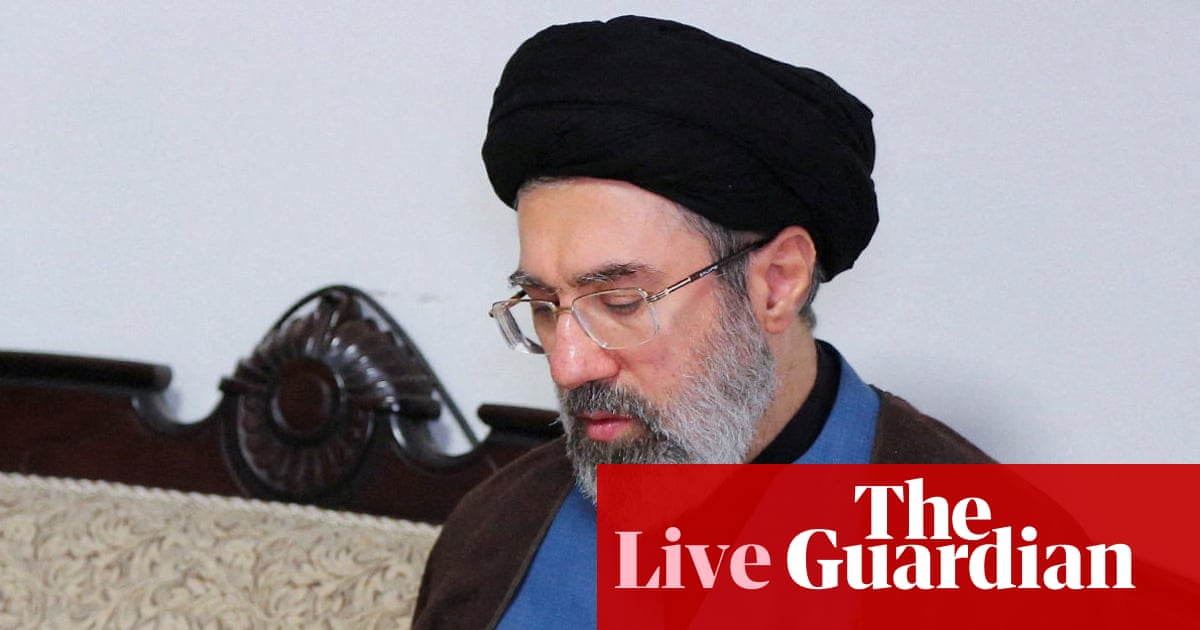
Iran has appointed Mojtaba Khamenei as its new supreme leader, a move that could escalate tensions in the region as the U.S. and Israel respond to the change in leadership.
Context
The appointment follows the death of the previous supreme leader, Ali Khamenei, and comes during a period of heightened conflict in the Middle East.S5
Key points
- The Islamic Revolutionary Guard Corps has pledged allegiance to Mojtaba Khamenei.S3
- Donald Trump has called for the Iranian military and police to disarm against the U.S. and Israel.S2
- Trump described the spike in oil prices as a 'small price to pay' amid market turmoil.S1
- The clerical body responsible for selecting the supreme leader urged Iranians to support Mojtaba Khamenei.S4
- The appointment is seen as a potential catalyst for escalating conflict in the region.S4
- Mojtaba Khamenei's leadership may influence Iran's military and foreign policy strategies.S5
- The U.S. and Israel are closely monitoring the situation following the leadership change.S2
Why it matters
- The leadership change in Iran could significantly impact regional stability and U.S.-Iran relations.S1S4
- Increased tensions may lead to further military confrontations in the Middle East.S4
- The pledge of allegiance from the IRGC indicates strong military support for the new leader, which could affect Iran's internal and external policies.S3
What to watch
- Monitor reactions from the U.S. and Israel regarding Mojtaba Khamenei's appointment.S2
- Watch for potential shifts in Iran's military strategy and foreign policy under the new leadership.S5
- Keep an eye on oil prices as geopolitical tensions rise following the leadership change.S1