The brief
Argentina continues to confront the legacy of its 'Dirty War,' with victims and their families seeking justice decades after the military dictatorship.
Context
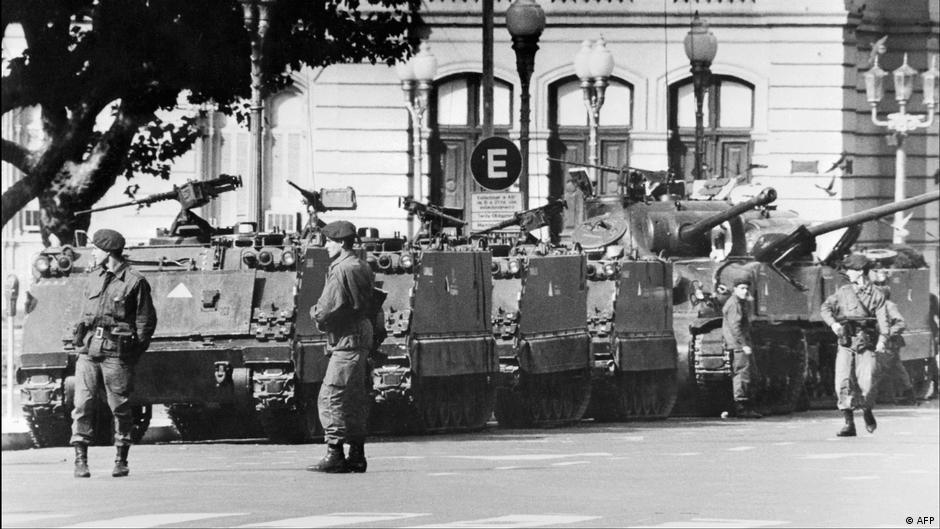
The 'Dirty War' refers to a period of state terrorism in Argentina from 1976 to 1983, during which the military government targeted suspected dissidents.S1S2
Key points
- Approximately 30,000 individuals were forcibly disappeared during the military dictatorship.S1S2
- The victims' families are still actively pursuing justice for their loved ones.S1S2
- Trials related to the crimes of the 'Dirty War' are ongoing, reflecting the country's commitment to accountability.S1S2
- The legacy of the 'Dirty War' continues to impact Argentine society and politics today.S1S2
- Human rights organizations remain involved in advocating for the victims and their families.S1S2
- The struggle for justice is seen as a crucial aspect of Argentina's democratic development.S1S2
- Public awareness and education about the 'Dirty War' are essential for preventing future abuses.S1S2
- International attention on Argentina's human rights issues persists, influencing domestic policies.S1S2
Why it matters
- Addressing past atrocities is vital for national healing and reconciliation.S1S2
- The pursuit of justice serves as a deterrent against future human rights violations.S1S2
- Ongoing trials highlight the importance of accountability in post-dictatorship societies.S1S2
What to watch
- Monitor developments in ongoing trials related to the 'Dirty War.'S1S2
- Observe how public sentiment evolves regarding human rights in Argentina.S1S2
- Watch for potential legislative changes aimed at strengthening human rights protections.S1S2