The brief
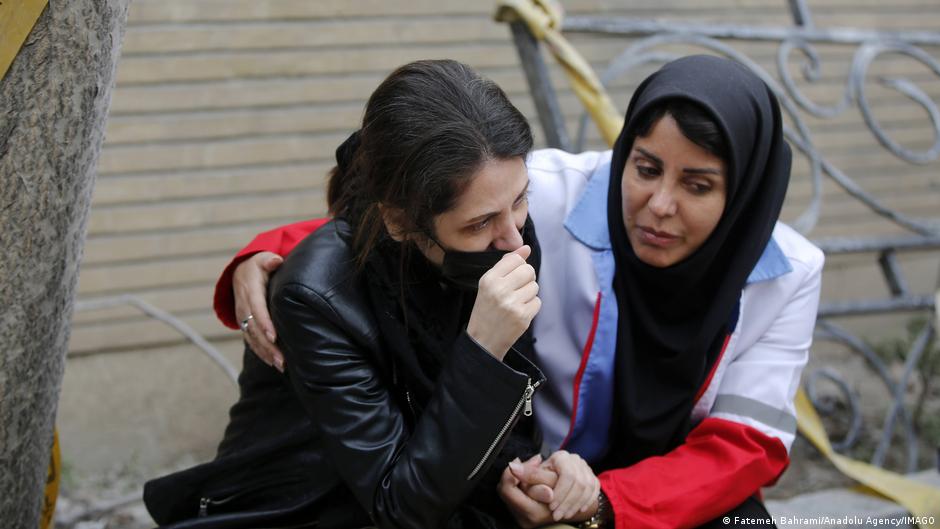
As US-Israeli strikes on Iran continue, many Iranians who initially hoped for regime change are now feeling disillusioned and fearful.
Context
The conflict has persisted for nearly a month, leading to a shift in public sentiment regarding the regime's stability.S1S2
Key points
- Initial hopes for regime change have diminished among the Iranian populace.S1S2
- Many Iranians express disappointment over the regime's resilience amid ongoing strikes.S1S2
- The strikes have intensified fears about the future of the country and its leadership.S1S2
- Public sentiment has shifted from optimism to a more cautious outlook regarding the regime's survival.S1S2
- Interviews reveal a growing sense of uncertainty among citizens about their future.S1S2
- The conflict has led to increased tensions within Iran, affecting daily life.S1S2
- Some citizens are concerned about potential escalations in violence and instability.S1S2
- The situation reflects broader regional dynamics and the implications of foreign intervention.S1S2
Why it matters
- The disillusionment among Iranians could impact future protests and movements against the regime.S1S2
- Understanding public sentiment is crucial for assessing the potential for change in Iran.S1S2
- The ongoing conflict raises questions about the effectiveness of foreign military actions in achieving political goals.S1S2
What to watch
- Monitor developments in the conflict and any shifts in Iranian public opinion.S1S2
- Watch for potential responses from the Iranian government to the ongoing strikes.S1S2
- Keep an eye on international reactions and their implications for regional stability.S1S2