The brief
Iran has confirmed it will continue to charge a fee for safe passage through the Strait of Hormuz, a critical maritime route for global shipping.
Context
The Strait of Hormuz is a vital waterway for international oil transport, and Iran's control over it has significant implications for global shipping and oil supplies.S1S2
Key points
- Iran will maintain a fee for safe passage through the Strait of Hormuz, according to a senior official.S1
- The fee is part of measures implemented due to the ongoing war situation.S1
- Iran has effectively closed the Strait of Hormuz to global shipping, impacting international trade.S1
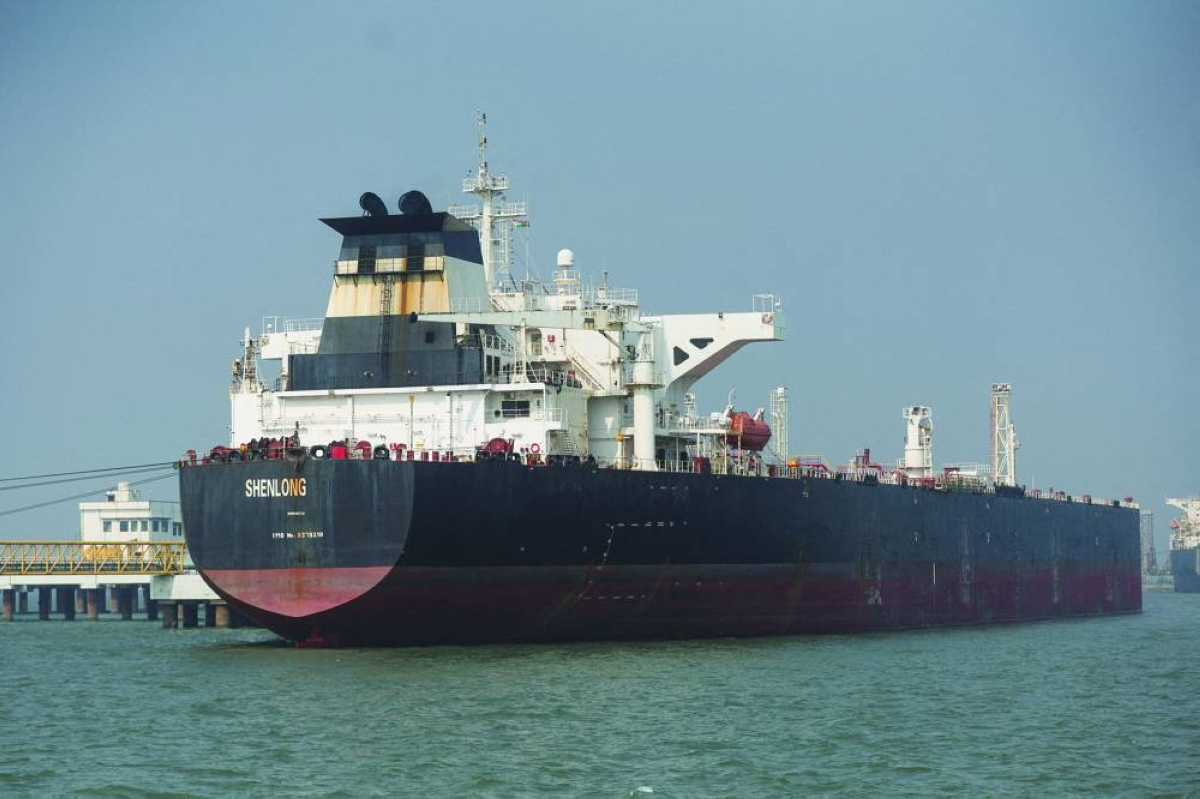
- A Thai tanker successfully transited the Strait after negotiations with Iran, highlighting diplomatic efforts.S2
- The situation underscores the importance of diplomatic cooperation amid disruptions in global oil supplies.S2
- The Strait of Hormuz is crucial for the transport of oil, with a significant portion of the world's oil passing through it.S1
- Iran's actions in the Strait could escalate tensions in the region, affecting global markets.S1
- The continued fee for passage may lead to increased shipping costs for countries reliant on this route.S1
Why it matters
- The Strait of Hormuz is a key chokepoint for oil shipments, making Iran's control over it critical for global energy security.S1
- Iran's fee for passage could influence international relations and economic conditions for countries dependent on oil imports.S1
- Diplomatic negotiations, like those involving the Thai tanker, may be essential for maintaining safe passage and stability in the region.S2
What to watch
- Monitor further developments in Iran's maritime policies and their impact on global shipping routes.S1
- Watch for potential diplomatic efforts aimed at easing tensions in the Strait of Hormuz.S2
- Keep an eye on how shipping companies respond to the fee for passage and any changes in shipping costs.S1