The brief
Iran and Oman are reportedly close to finalizing an agreement that could significantly impact shipping routes through the Strait of Hormuz.
Context
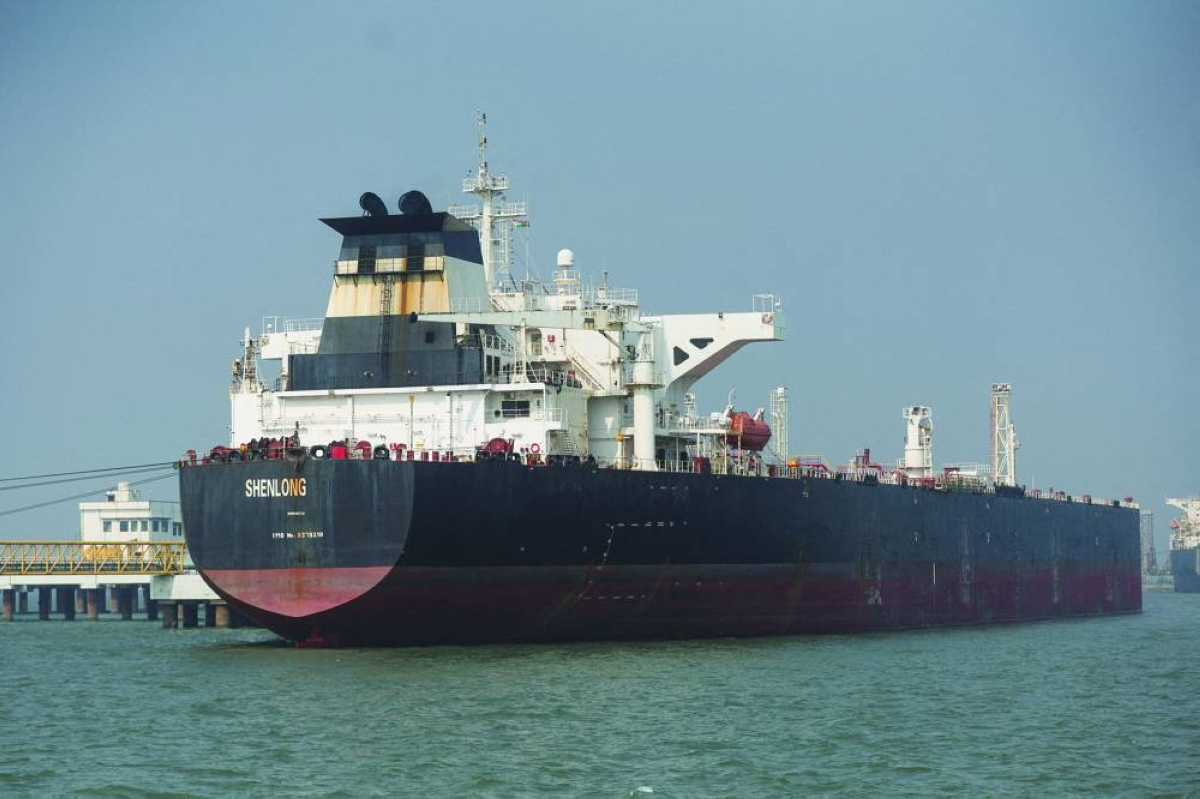
The Strait of Hormuz is a critical maritime passage for global oil shipments, and any changes in control or access could have wide-ranging implications for international trade and security.S1S2
Key points
- Iran is seeking expanded control over the Strait of Hormuz as part of the negotiations with Oman.S1
- The potential deal would restore shipping routes that were previously classified as international waters.S1
- Officials suggest that the agreement could enhance Iran's influence in the region.S1
- The negotiations come amid ongoing tensions in the Middle East regarding maritime security.S2
- Oman has historically played a mediating role in regional conflicts, which may facilitate the agreement.S2
- The deal could lead to increased shipping traffic through the Strait, impacting global oil markets.S2
- Iran's control over the Strait could alter the strategic balance in the Gulf region.S1
- The agreement is seen as a potential step towards greater cooperation between Iran and Oman.S2
Why it matters
- Control over the Strait of Hormuz is vital for global energy supplies, as a significant portion of the world's oil passes through this route.S1
- Increased Iranian influence in the Strait could heighten tensions with other regional powers and impact international relations.S1
- The deal may set a precedent for future agreements between Iran and its neighbors, affecting regional stability.S2
What to watch
- Monitor developments in the negotiations between Iran and Oman for any official announcements regarding the deal.S2
- Watch for reactions from other countries involved in Middle Eastern geopolitics, particularly those reliant on oil shipments through the Strait.S1
- Keep an eye on maritime security measures in the Strait of Hormuz as the situation evolves.S2