The brief
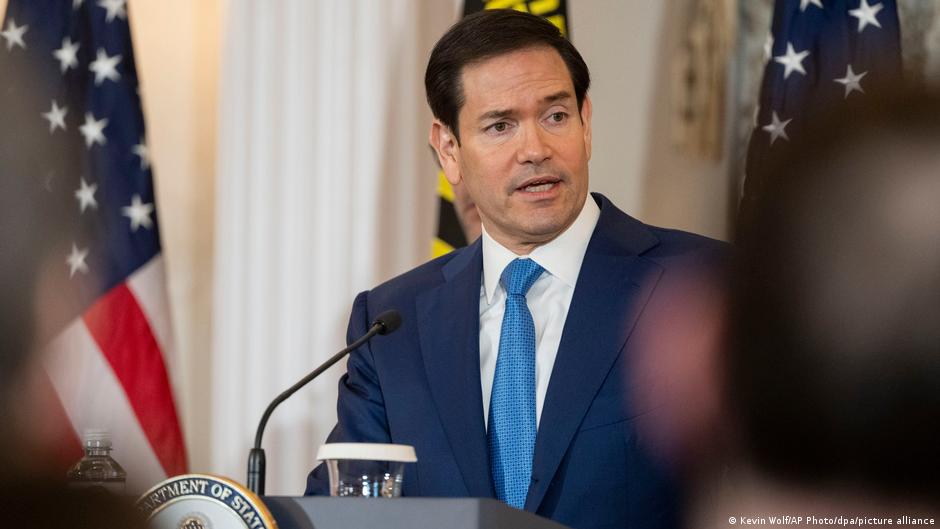
The US, Iran, and Oman are reportedly nearing an interim agreement to reopen the Strait of Hormuz, a critical maritime passage.
Context
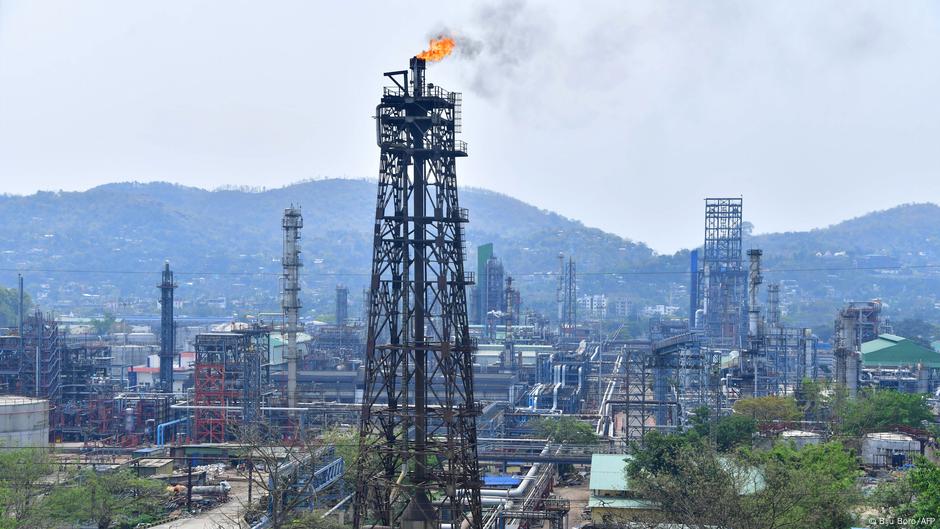
The Strait of Hormuz is a vital waterway for global oil shipments, and its closure can significantly impact international trade and energy prices.S2
Key points
- Negotiations are focused on an interim agreement involving the US, Iran, and Oman.S1
- The potential deal aims to temporarily reopen the Strait of Hormuz.S1
- An announcement regarding the agreement is expected soon.S1
- The Trump administration had previously opposed any deal granting Iran control over the strait.S2
- The Strait of Hormuz is crucial for oil transportation, impacting global markets.S2
- Iran's involvement in the negotiations indicates a shift in diplomatic relations.S1
- Oman has historically played a mediating role in US-Iran relations.S1
- The reopening of the strait could ease tensions in the region.S1
Why it matters
- Reopening the Strait of Hormuz could stabilize global oil prices.S2
- Improved relations between the US and Iran may lead to broader diplomatic efforts.S1
- The agreement could enhance regional security and reduce maritime tensions.S1
What to watch
- Monitor the announcement regarding the interim agreement.S1
- Watch for reactions from other countries involved in Middle Eastern geopolitics.S2
- Observe any changes in oil prices following the agreement's announcement.S2