The brief
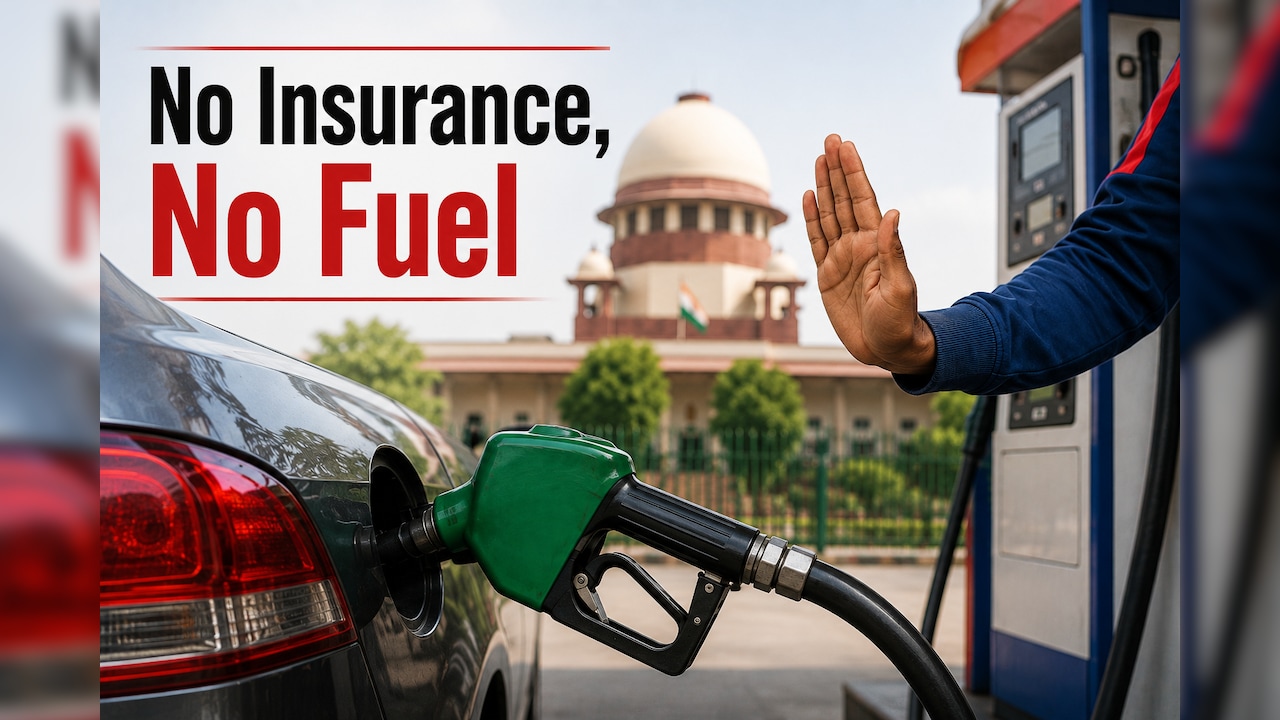
The Supreme Court of India has proposed a pilot program that would deny fuel access to vehicles without insurance, addressing the significant number of uninsured vehicles on the roads.
Context
The proposal comes as nearly 56% of vehicles in India are uninsured, raising concerns about road safety and compensation for accident victims.S1S2
Key points
- The Supreme Court's proposal aims to enforce mandatory insurance coverage for vehicles.S1
- Currently, 22% of road accidents involve uninsured vehicles, complicating compensation for victims.S2
- The court's initiative seeks to enhance compliance with the Motor Vehicles Act's insurance requirements.S1
- The pilot program is part of broader efforts to improve road safety in India.S1
- Uninsured vehicles contribute to financial burdens on accident victims and the healthcare system.S2
- The proposal reflects ongoing challenges in enforcing insurance laws in India.S1
- The court's actions highlight the need for better regulatory measures in the transportation sector.S2
- This initiative could set a precedent for similar measures in other regions facing high uninsured vehicle rates.S1
Why it matters
- Implementing the 'No Insurance, No Fuel' policy could significantly reduce the number of uninsured vehicles on the road.S1
- Addressing the issue of uninsured vehicles may lead to improved road safety and reduced accident-related fatalities.S2
- The proposal aims to ensure that accident victims receive timely compensation, which is currently lacking.S2
What to watch
- Monitor the Supreme Court's decision on the pilot program's implementation timeline.S1
- Watch for reactions from vehicle owners and insurance companies regarding the proposed policy.S1
- Keep an eye on any legislative changes that may arise from the court's proposal.S2