The brief
The ongoing US-Iran war is impacting fuel prices in Southeast Asia, prompting China to present itself as a more stable ally compared to the United States.
Context
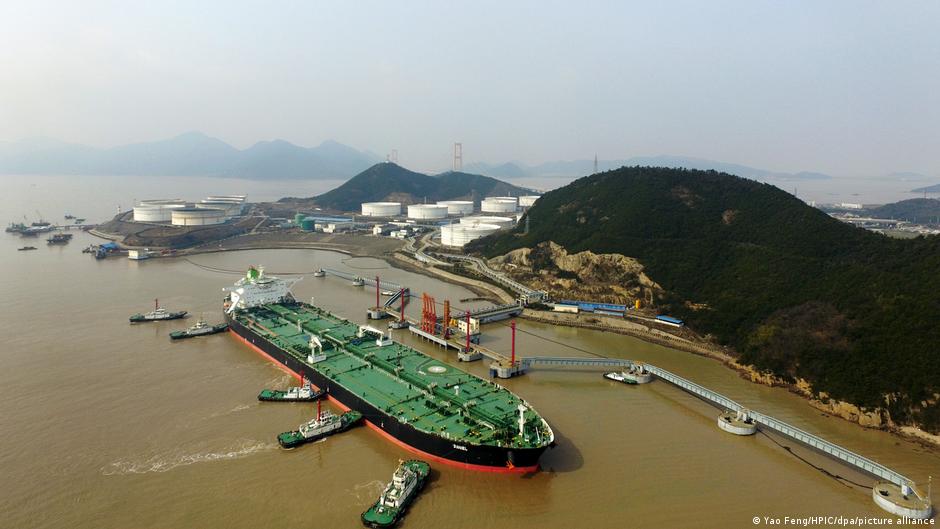
The conflict between the US and Iran has led to significant economic repercussions, particularly in Southeast Asia, where fuel prices are rising sharply.S1S2
Key points
- Fuel prices in Southeast Asia are surging due to the US-Iran war.S1S2
- China is leveraging the crisis to enhance its influence in the region.S1S2
- Beijing aims to be seen as a steadier partner than Washington during this turmoil.S1S2
- The situation highlights the shifting dynamics of international relations in Southeast Asia.S1S2
- China's response may alter perceptions of its role in regional stability.S1S2
- The US-Iran conflict is creating opportunities for China to expand its partnerships.S1S2
- Economic instability in the region could lead to increased reliance on Chinese support.S1S2
- China's positioning may affect future diplomatic engagements in Southeast Asia.S1S2
Why it matters
- The rising fuel prices could strain economies in Southeast Asia, impacting local populations.S1S2
- China's increased influence may shift the balance of power in the region.S1S2
- The crisis underscores the vulnerabilities of countries dependent on external energy sources.S1S2
What to watch
- Monitor how Southeast Asian nations respond to rising fuel costs and their diplomatic choices.S1S2
- Watch for potential shifts in trade agreements as countries reassess their partnerships.S1S2
- Observe China's actions in the region as it seeks to solidify its role as a key player.S1S2