The brief
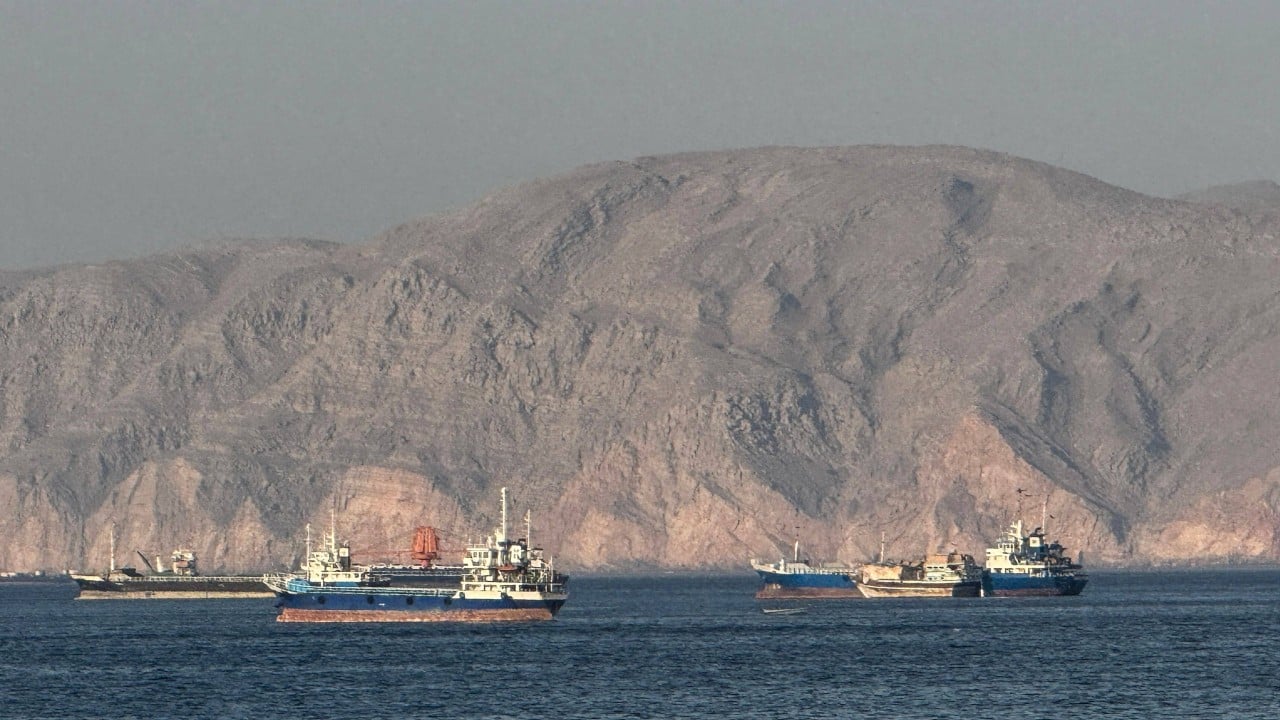
Iran and Oman have reached an agreement on a new shipping route through the Strait of Hormuz, according to Tehran's foreign ministry.
Context
This agreement comes amid heightened tensions in the region, particularly following the escalation of hostilities involving the United States and Israel against Iran.S1S2
Key points
- The new route is intended for ships transiting the strategically important Strait of Hormuz.S1
- Iran claims to have established de facto control over the strait since late February.S1
- The agreement is seen as a way to formalize Iran's control over the waterway.S2
- Tehran and Oman are finalizing arrangements for jointly managing the passage.S1
- Iran has issued warnings regarding potential US actions in response to this agreement.S3
- The Strait of Hormuz is a critical passage for global energy trade.S1
- The agreement may impact shipping routes and energy supply chains in the region.S2
- Iran's foreign ministry has emphasized the importance of this agreement for regional stability.S1
Why it matters
- The Strait of Hormuz is a vital corridor for oil shipments, making this agreement significant for global energy markets.S2
- Iran's control over the strait could influence geopolitical dynamics in the region.S1
- The agreement may escalate tensions with the United States, which has interests in maintaining freedom of navigation in the strait.S3
What to watch
- Monitor reactions from the United States regarding the agreement and potential military responses.S3
- Watch for developments in shipping traffic through the Strait of Hormuz following the agreement.S2
- Keep an eye on further diplomatic engagements between Iran and Oman.S1