The brief
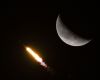
The upper stage of a SpaceX Falcon 9 rocket has crashed into the Moon, marking the end of an 18-month journey adrift in space.
Context
The impact occurred near the Einstein crater and was deemed safe by NASA, with no risk to Earth or ongoing lunar missions.S1S2
Key points
- The Falcon 9 upper stage collided with the Moon as predicted by scientists.S2
- The collision created a new lunar crater, which space agencies plan to document.S2
- The rocket stage was approximately the size of a bus.S2
- The impact was unintentional and occurred after 18 months of drifting in space.S1
- NASA confirmed that the crash posed no danger to Earth.S1
- A telescope in Chile captured evidence of debris from the impact.S2
- The event highlights the increasing presence of human-made objects on the Moon.S2
- Space agencies continue to monitor the lunar surface for changes following the impact.S2
Why it matters
- The incident underscores the challenges of space debris management.S2
- It raises awareness about the potential for future collisions with lunar missions.S1
- The creation of a new crater provides an opportunity for scientific study of the Moon's surface.S2
What to watch
- Monitor for updates on the documentation of the new lunar crater.S2
- Watch for potential implications for future lunar missions due to increased debris.S1
- Follow developments in space debris management strategies from space agencies.S2


