The brief
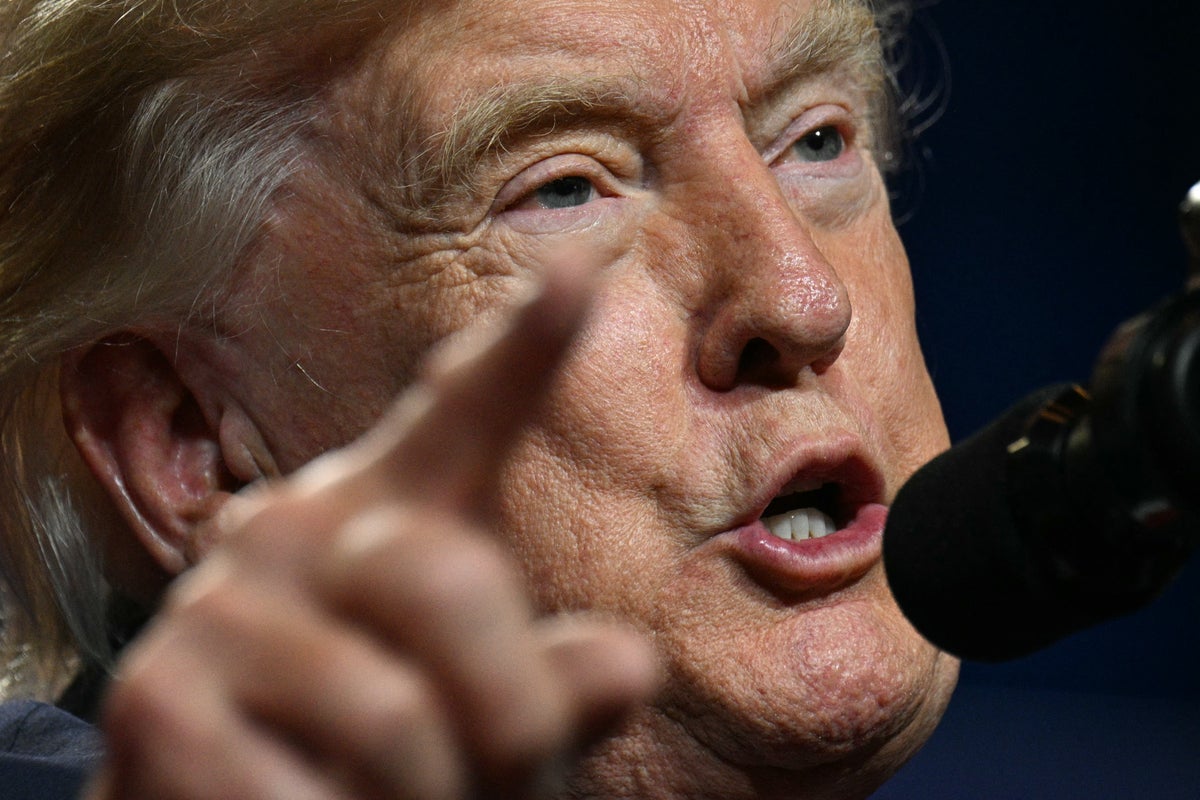
President Donald Trump has launched a series of attacks against Michigan Democrat Abdul El-Sayed after El-Sayed's recent primary victory, labeling him as a 'communist' and a 'man of hate.'
Context
El-Sayed's win positions him as a significant contender in a prominent U.S. Senate race, drawing attention from national figures including Trump.S1S2
Key points
- Trump described El-Sayed as part of a wave of Democratic 'communists' threatening America.S1
- The president accused El-Sayed of harboring anti-Semitic sentiments, claiming he 'hates' Jews and Israel.S2
- El-Sayed's primary win has made him a focal point in the upcoming Senate race in Michigan.S1
- Trump's comments reflect ongoing tensions between the Republican and Democratic parties regarding progressive candidates.S1
- The attacks come as Trump seeks to rally support against Democratic candidates ahead of the elections.S2
- El-Sayed's campaign is characterized by progressive policies that may attract younger voters.S1
- Trump's rhetoric aims to frame El-Sayed as a radical choice for voters in Michigan.S2
- The backlash from Trump could energize El-Sayed's base and increase his visibility in the race.S1
Why it matters
- Trump's comments could influence voter perceptions of El-Sayed in a competitive Senate race.S1
- The characterization of El-Sayed as a 'communist' may resonate with conservative voters concerned about progressive policies.S2
- El-Sayed's response to Trump's attacks could shape his campaign strategy moving forward.S1
What to watch
- Monitor El-Sayed's campaign responses to Trump's accusations and how they may affect his support.S1
- Watch for further developments in the Michigan Senate race as it gains national attention.S2
- Observe how Trump's rhetoric influences the broader narrative around progressive candidates in upcoming elections.S1




/file/attachments/2998/14341149_774243.jpg)