The brief
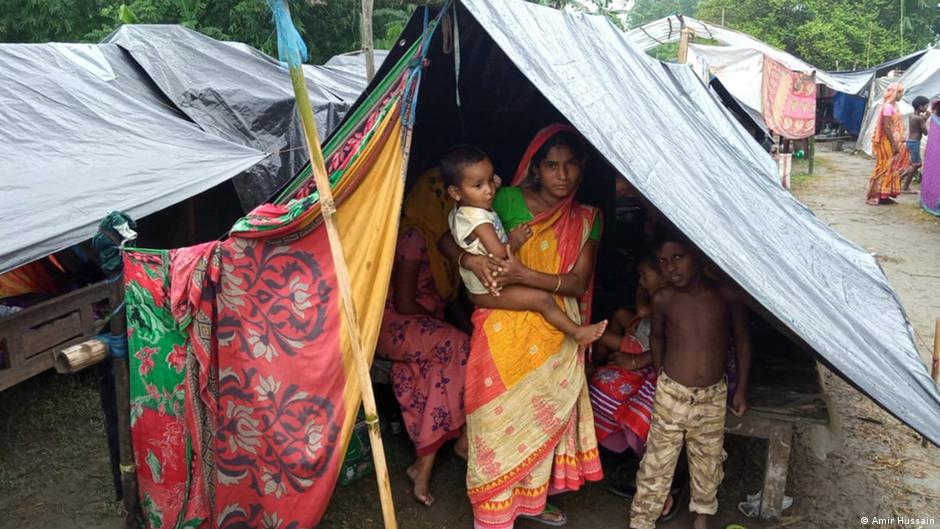
Flooding in India disproportionately affects marginalized communities, highlighting the urgent need for climate resilience measures.
Context
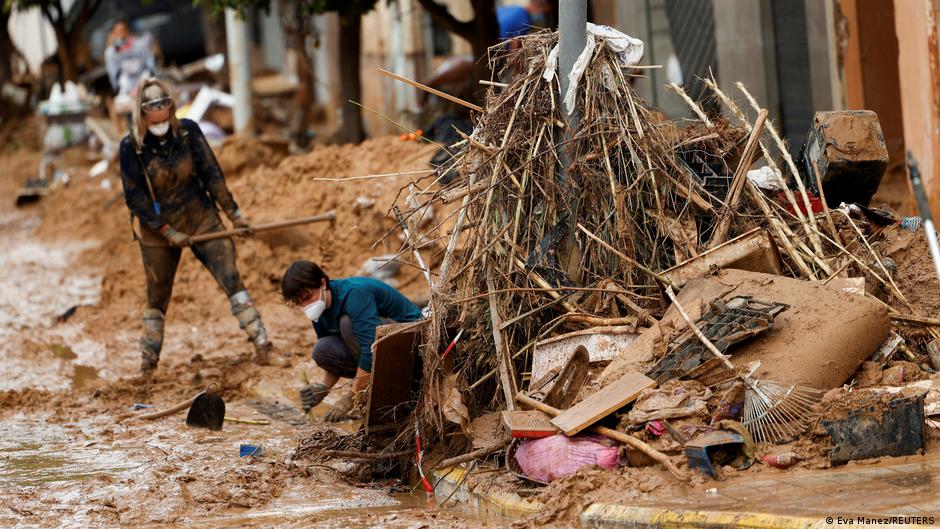
India faces increasing climate-related disasters, particularly flooding, which severely impacts vulnerable populations.S1S2
Key points
- Marginalized communities are often the hardest hit by floods in India.S1S2
- Flood-prone regions in India are experiencing escalating climate-related disasters.S1S2
- The survival of affected communities during floods is often uncertain and precarious.S1S2
- There is a growing need for effective climate resilience strategies in India.S1S2
- Government and NGOs are called to address the specific needs of vulnerable groups during disasters.S1S2
- Flooding exacerbates existing inequalities within affected communities.S1S2
- Community-based approaches may enhance disaster preparedness and response.S1S2
- Long-term solutions are necessary to mitigate the impact of future flooding events.S1S2
Why it matters
- Understanding the impact of floods on marginalized communities is crucial for effective disaster response.S1S2
- Addressing these issues can lead to more equitable recovery efforts post-disaster.S1S2
- Improving climate resilience can help protect vulnerable populations from future disasters.S1S2
What to watch
- Monitor government initiatives aimed at improving flood resilience in marginalized communities.S1S2
- Watch for developments in community-based disaster management programs.S1S2
- Keep an eye on climate change policies that address the needs of vulnerable populations.S1S2