Story Science

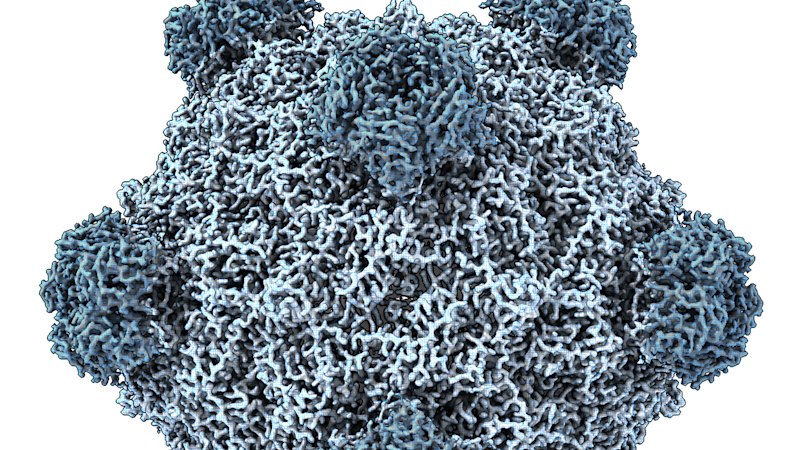
AI Technology Advances in Viral Genome Creation

Science
The brief

Recent developments in artificial intelligence have led to the creation of new viruses in laboratory settings, raising concerns about biosafety risks.

Context

Scientists have utilized AI to generate viral genomes, which could have implications for both medical research and public health.S1S2

Key points

  • AI was trained on DNA libraries to create viral genome recipes.S1
  • Sixteen new viruses were successfully created in the lab.S1
  • The research aims to develop treatments for antibiotic-resistant infections.S2
  • Experts have raised concerns regarding the biosafety of these AI-generated viruses.S2
  • The work represents a significant advancement in synthetic biology.S1
  • There is potential for both therapeutic applications and risks associated with these new viruses.S2
  • The creation of new viruses could lead to unforeseen consequences in public health.S1S2
  • The study highlights the dual-use nature of AI in biological research.S1

Why it matters

  • The development of new treatments for resistant infections is critical as antibiotic resistance grows.S2
  • Understanding the risks associated with AI-generated viruses is essential for biosafety protocols.S2

What to watch

  • Monitor ongoing research on AI applications in virology and synthetic biology.S1
  • Watch for regulatory responses to the biosafety concerns raised by experts.S2

Timeline · newest first
2mos Smh · 4 reports

AI used to create new viruses in the lab

Scientists trained artificial intelligence on libraries of DNA and then asked the model to create recipes for viral genomes. Sixteen of them were viable, yielding new viruses.

2mos Independent

AI used to create antibacterial viruses but experts warn of biosafety risk

Scientists hope work could lead to new treatments for infections resistant to antibiotics

AI Technology Advances in Viral Genome Creation

2 outlets 5 reports
The brief

Recent developments in artificial intelligence have led to the creation of new viruses in laboratory settings, raising concerns about biosafety risks.

Context

Scientists have utilized AI to generate viral genomes, which could have implications for both medical research and public health.S1S2

Key points

  • AI was trained on DNA libraries to create viral genome recipes.S1
  • Sixteen new viruses were successfully created in the lab.S1
  • The research aims to develop treatments for antibiotic-resistant infections.S2
  • Experts have raised concerns regarding the biosafety of these AI-generated viruses.S2
  • The work represents a significant advancement in synthetic biology.S1
  • There is potential for both therapeutic applications and risks associated with these new viruses.S2
  • The creation of new viruses could lead to unforeseen consequences in public health.S1S2
  • The study highlights the dual-use nature of AI in biological research.S1

Why it matters

  • The development of new treatments for resistant infections is critical as antibiotic resistance grows.S2
  • Understanding the risks associated with AI-generated viruses is essential for biosafety protocols.S2

What to watch

  • Monitor ongoing research on AI applications in virology and synthetic biology.S1
  • Watch for regulatory responses to the biosafety concerns raised by experts.S2

Timeline · newest first

Sources · 2 citations

S1 SmhLead 4 reports · EN
S2 Independent 1 report · EN