The brief
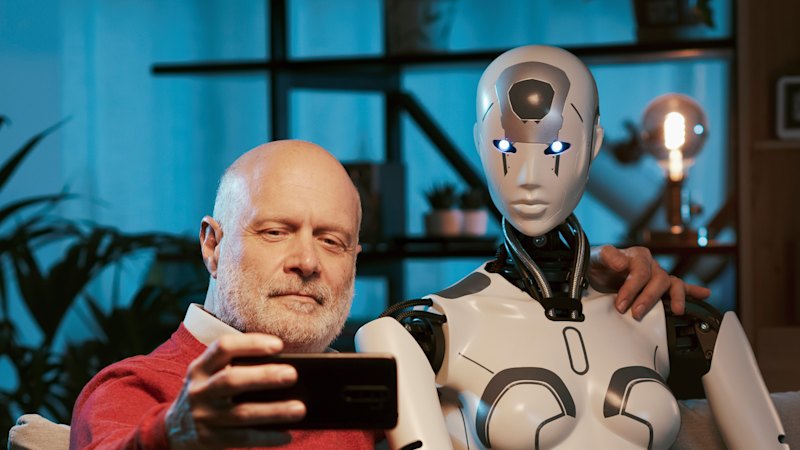
The term 'reverse centaur' describes the role of humans in training artificial intelligence through simple tasks like CAPTCHA.
Context
CAPTCHA tasks, such as identifying traffic lights, require human input to help machines learn and improve their recognition capabilities.S1S2
Key points
- Humans participate in training AI by completing CAPTCHA tasks.S1S2
- CAPTCHA tasks often involve selecting images that contain specific objects, like traffic lights.S1S2
- The term 'reverse centaur' highlights the collaboration between humans and machines.S1S2
- These tasks are essential for enhancing machine learning algorithms.S1S2
- As AI technology evolves, the nature of these tasks may change.S1S2
- The effectiveness of AI recognition systems relies heavily on human input.S1S2
- Understanding this concept can help users appreciate their role in AI development.S1S2
- The phenomenon raises questions about the future of human-AI interaction.S1S2
Why it matters
- Recognizing the 'reverse centaur' concept can enhance awareness of AI training processes.S1S2
- It emphasizes the importance of human contributions in the advancement of AI.S1S2
What to watch
- Monitor developments in AI training methodologies and their implications for users.S1S2
- Observe how AI systems evolve in their ability to recognize objects without human input.S1S2