The brief
Iran has expressed skepticism regarding a recent defense agreement signed by Saudi Arabia, Turkey, and Pakistan, suggesting it will not enhance security for Riyadh.
Context
The agreement aims to establish a collective defense framework among the three nations, treating an attack on one as an attack on all. However, Iranian officials have voiced concerns about its effectiveness.S1S2
Key points
- Ebrahim Rezaei, an Iranian lawmaker, criticized the agreement, stating it would not provide security to Saudi Arabia.S1S2
- Rezaei emphasized that previous reliance on the United States did not yield security for Saudi Arabia.S1
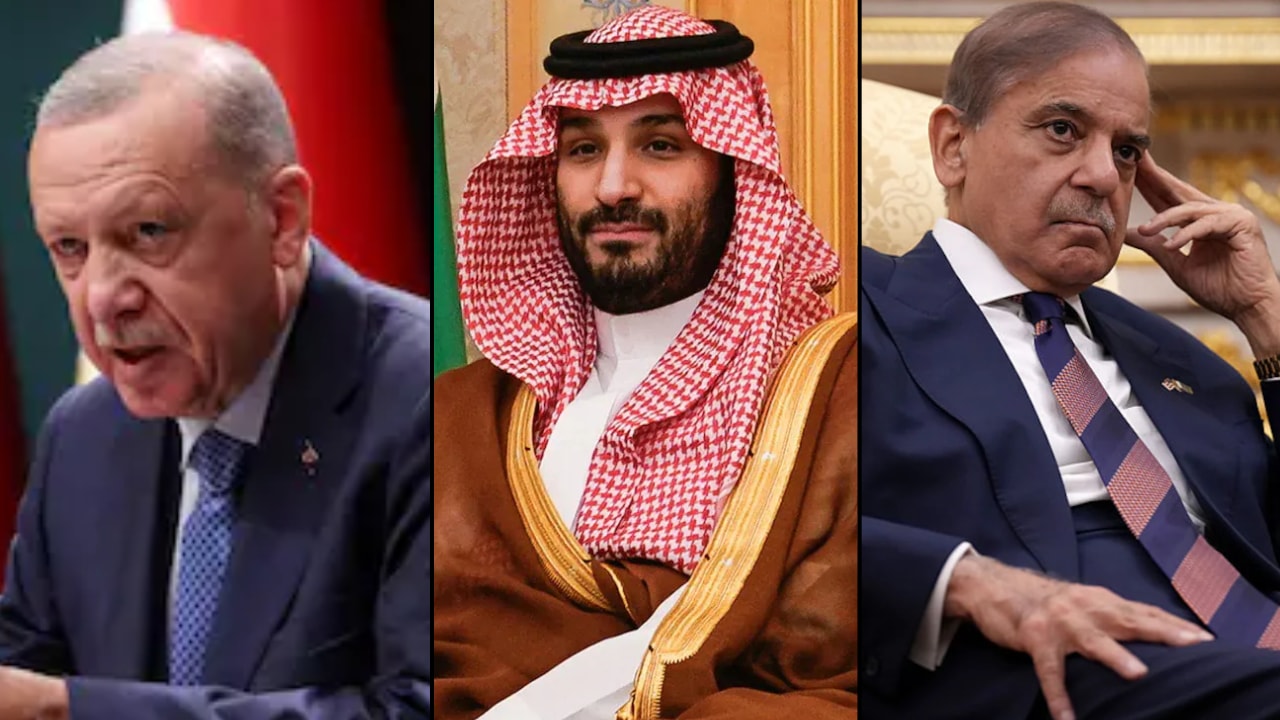
- The joint defense agreement was signed by officials from Saudi Arabia, Turkey, and Pakistan.S2
- Iran's criticism reflects ongoing tensions in the region regarding security alliances.S1
- The agreement is intended to solidify military cooperation among the three nations.S2
- Iran's stance suggests a broader skepticism towards Western-aligned security arrangements.S1
- The comments from Iran may influence perceptions of the effectiveness of regional defense pacts.S2
Why it matters
- The effectiveness of defense agreements in the Middle East is a critical issue for regional stability.S1
- Iran's response underscores the ongoing rivalry between Iran and Saudi Arabia, impacting regional security.S2
- The skepticism towards the agreement may affect future military collaborations in the region.S1
What to watch
- Monitor reactions from Saudi Arabia and its allies regarding Iran's criticism.S1
- Observe any shifts in military cooperation among Saudi Arabia, Turkey, and Pakistan following the agreement.S2
- Keep an eye on Iran's future statements regarding regional security alliances.S1