The brief
An exhibition in Amsterdam explores the long-standing practice of photo manipulation, showcasing works from various historical contexts.
Context
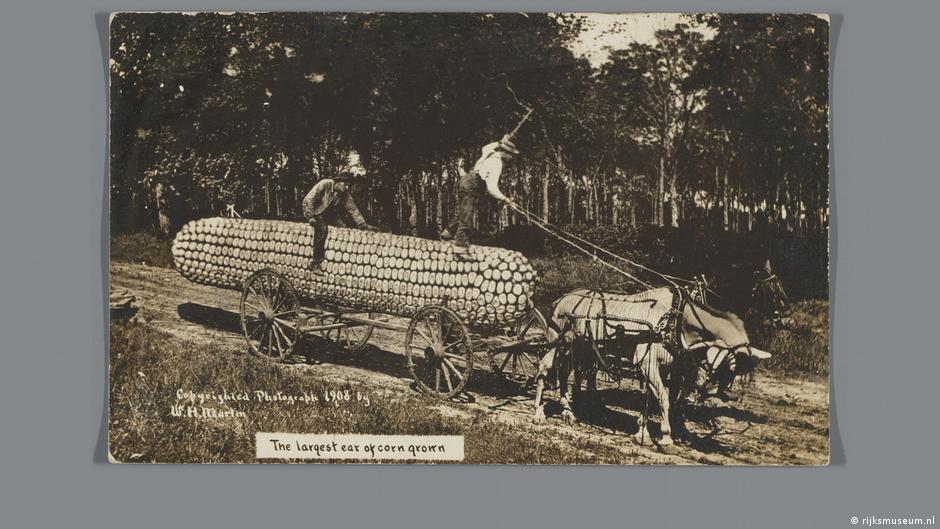
The exhibition emphasizes that the manipulation of photographs predates modern technology, illustrating how visuals have been altered for various purposes throughout history.S1S2
Key points
- The exhibition features anti-Nazi photo montages as a significant example of early photo manipulation.S1
- Staged photographs are also highlighted, demonstrating the artistic and political uses of manipulated images.S1
- The focus is on the cultural impact of these manipulated visuals across different eras.S2
- The exhibition aims to educate visitors about the historical context of photo manipulation.S1
- It showcases how manipulated images have influenced public perception and historical narratives.S2
- The event reflects on the ethical implications of altering images in both historical and contemporary contexts.S1
- Visitors can see a range of works that illustrate the evolution of photo manipulation techniques.S2
- The exhibition serves as a reminder of the ongoing relevance of image authenticity in today's digital age.S1
Why it matters
- Understanding the history of photo manipulation can inform current discussions about authenticity in media.S1
- The exhibition highlights the role of visuals in shaping political and social narratives over time.S2
What to watch
- Monitor discussions around the ethical implications of AI-generated images in media.S1
- Watch for future exhibitions that may explore the intersection of technology and visual culture.S2