The brief
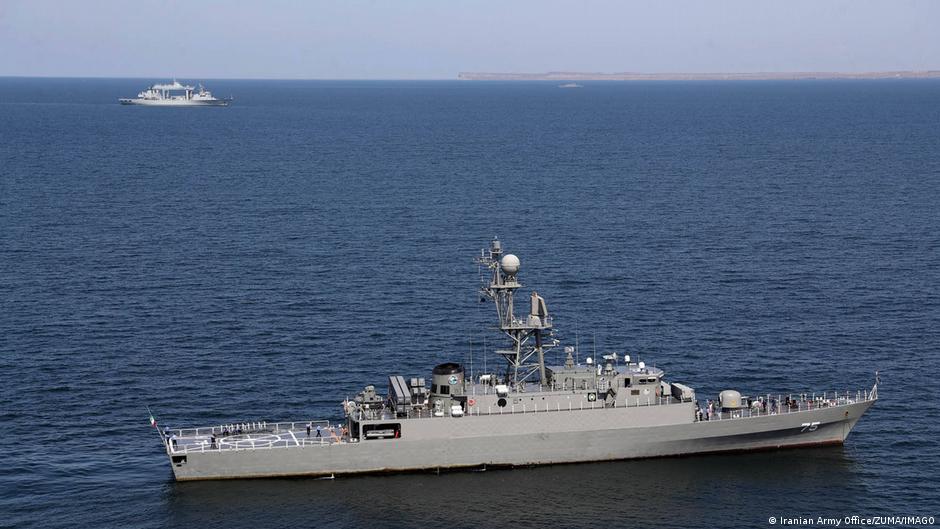
Iran's Islamic Revolutionary Guard Corps (IRGC) has stated that the reopening of the Strait of Hormuz is contingent on U.S. acceptance of Iran's conditions, rather than negotiations with Oman.
Context
Iran and Oman are reportedly close to an agreement on a new shipping route through the Strait of Hormuz, according to Iranian officials.S1
Key points
- IRGC spokesperson Sardar Hossein Mohebbi emphasized that U.S. acceptance of Iran's conditions is crucial for reopening the waterway.S2
- Iranian Foreign Minister Abbas Araghchi noted the proximity of an accord with Oman regarding shipping routes.S1
- The IRGC has ruled out any connection between talks with Oman and the reopening of the Strait.S2
- The Strait of Hormuz is a critical passage for global oil shipments, making its status significant for international trade.S1
- Iran's conditions for reopening the Strait remain undisclosed but are deemed essential by the IRGC.S2
- The ongoing discussions highlight the geopolitical tensions in the region, particularly involving U.S.-Iran relations.S1S2
- The IRGC's statements reflect Iran's strategic posture in negotiations concerning its maritime routes.S2
- The situation underscores the importance of U.S. involvement in Middle Eastern maritime security issues.S2
Why it matters
- The Strait of Hormuz is vital for global energy supplies, and its accessibility impacts international markets.S1
- Iran's conditions could influence broader U.S.-Iran relations and regional stability.S2
What to watch
- Monitor developments in U.S.-Iran negotiations regarding maritime security and oil shipments.S2
- Watch for further statements from Iranian officials about the status of talks with Oman.S1