The brief
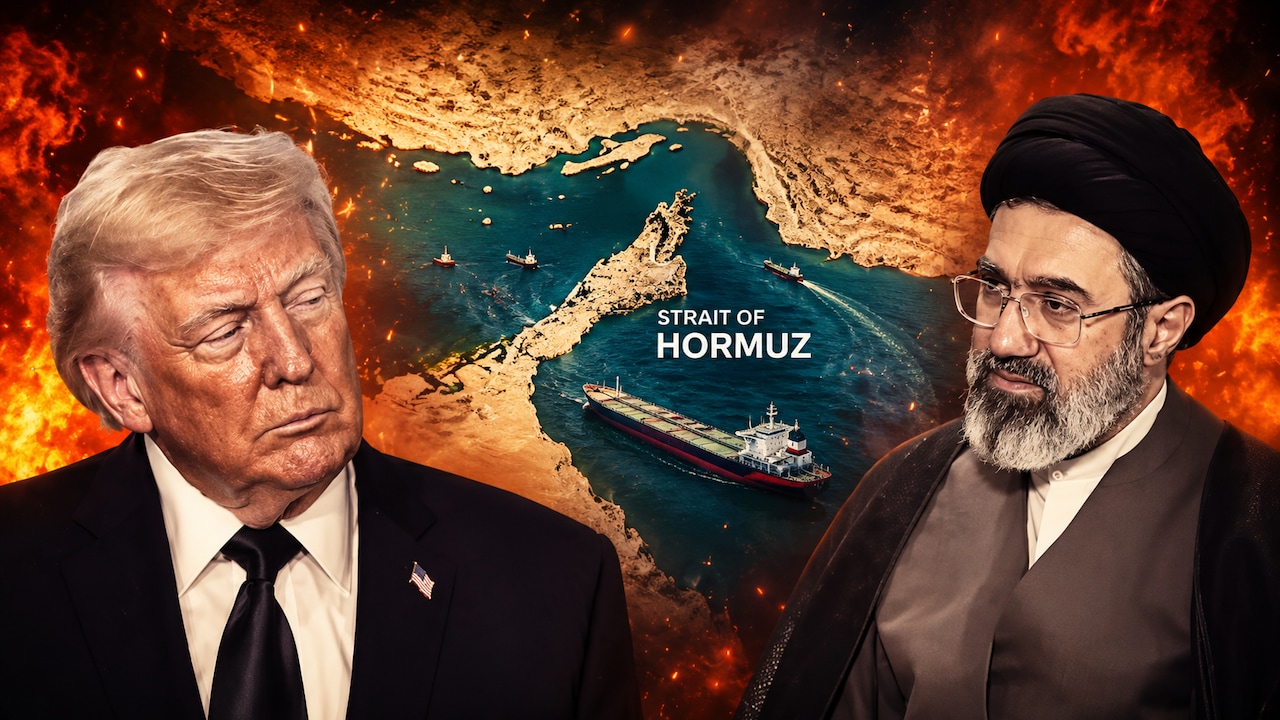
Iran has stated that the Strait of Hormuz will remain closed until the United States meets specific demands, impacting global energy prices.
Context
The Strait of Hormuz is a critical waterway for global oil transportation, and its closure has led to increased energy prices worldwide.S1S2
Key points
- Iran's Supreme National Security Council has outlined conditions for reopening the Strait of Hormuz.S2
- The closure of the Strait has significantly increased global energy prices.S1
- High energy prices are posing political challenges for Republicans ahead of upcoming elections.S1
- Iran's demands include unspecified conditions that the U.S. must fulfill.S2
- The situation has dampened hopes for a swift resolution to the closure of the waterway.S2
- The Strait of Hormuz is vital for oil shipments, making its status critical for global markets.S1
- Iran's stance reflects ongoing tensions between the U.S. and Iran regarding regional security.S2
- The geopolitical implications of the closure could affect international relations and energy policies.S1S2
Why it matters
- The closure of the Strait of Hormuz affects global energy supply and pricing, which can have widespread economic implications.S1
- Political ramifications in the U.S. could arise from rising energy prices, influencing voter sentiment.S1
- Iran's demands may complicate diplomatic efforts aimed at stabilizing the region and securing energy routes.S2
What to watch
- Monitor any U.S. responses to Iran's demands and their potential impact on negotiations.S2
- Watch for changes in global energy prices as the situation develops.S1
- Keep an eye on the political landscape in the U.S. as energy prices influence the upcoming elections.S1