The brief
Iran has issued new demands regarding the Strait of Hormuz following recent attacks, complicating ongoing negotiations in the region.
Context
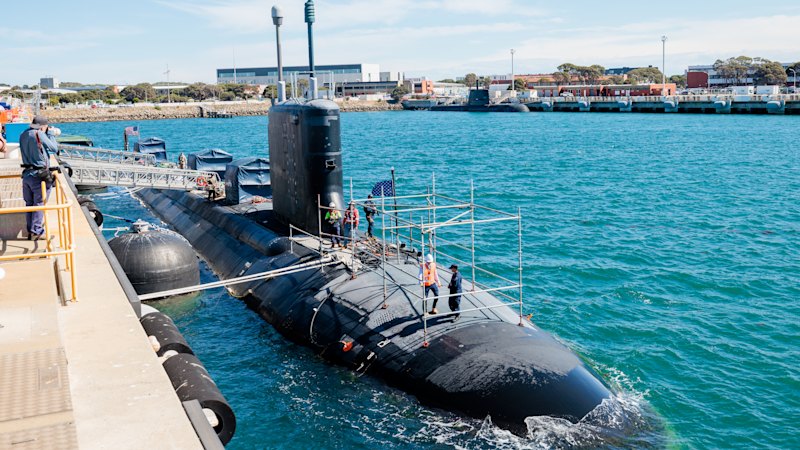
The Strait of Hormuz has become a focal point for geopolitical tensions, particularly involving Iran and the United States.S1S2
Key points
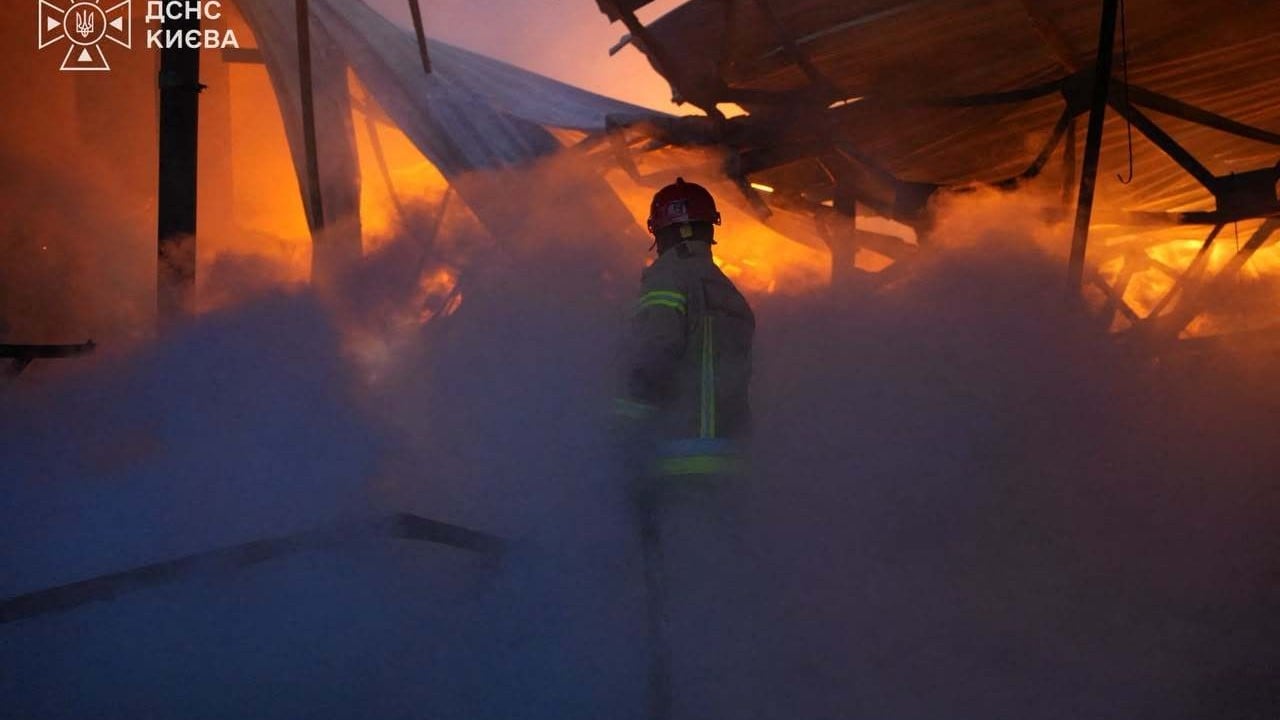
- Iran's Supreme National Security Council has stated that the US must cease threats against Iran.S2
- The council demands a permanent end to the war with Iran and its armed allies.S2
- Recent attacks in the Strait have heightened tensions and uncertainty in negotiations.S1
- The UAE has reported that a ship was targeted in the Strait, raising concerns about maritime security.S1
- Negotiations in the region are currently under significant strain due to these developments.S1
- Iran's stance reflects its broader strategy to assert influence in the region amid US presence.S2
- The situation in the Strait of Hormuz is critical for global oil transportation and security.S1
- Iran's demands may complicate diplomatic efforts aimed at stabilizing the region.S2
Why it matters
- Tensions in the Strait of Hormuz can impact global oil prices and supply chains.S1
- Iran's demands signal a hardening of its position, potentially affecting future negotiations.S2
- The security of maritime routes is vital for international trade and economic stability.S1
What to watch
- Monitor responses from the US regarding Iran's demands and regional security measures.S2
- Watch for developments in UAE's maritime security efforts following the targeted ship incident.S1
- Keep an eye on the impact of these tensions on international diplomatic relations in the region.S1