The brief
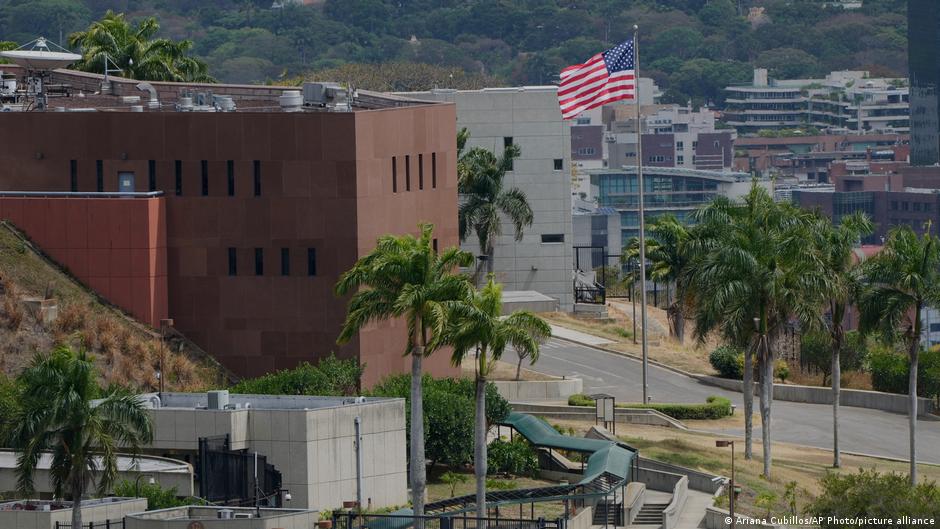
The United States has reopened its embassy in Venezuela after a seven-year hiatus, following the military seizure of President Nicolas Maduro.
Context
This move marks a significant shift in US-Venezuela relations, which have been strained for years.S1S2
Key points
- The US State Department announced the formal reopening of the embassy in Caracas.S1S2
- The embassy had been closed for seven years prior to this reopening.S1S2
- The reopening follows the military raid that resulted in the capture of Nicolas Maduro.S1S2
- Diplomatic ties between the US and Venezuela have been reestablished after the raid.S1S2
- The US government views this as a step towards stabilizing relations with Venezuela.S1S2
- The embassy reopening is part of broader efforts to engage with the Venezuelan government.S1S2
- The military operation that led to Maduro's capture was a pivotal moment in US-Venezuela relations.S1S2
- This development may influence regional dynamics in South America.S1S2
Why it matters
- Reopening the embassy signifies a potential thaw in relations between the US and Venezuela.S1S2
- The US aims to support democratic processes in Venezuela through diplomatic engagement.S1S2
- The situation in Venezuela has implications for regional stability and US foreign policy.S1S2
What to watch
- Monitor reactions from the Venezuelan government regarding the embassy reopening.S1S2
- Watch for potential changes in US foreign policy towards other Latin American countries.S1S2
- Keep an eye on the impact of this development on Venezuelan citizens and their political landscape.S1S2