The brief
Iran is linking the reopening of the Strait of Hormuz to U.S. concessions on various demands, including sanctions relief.
Context
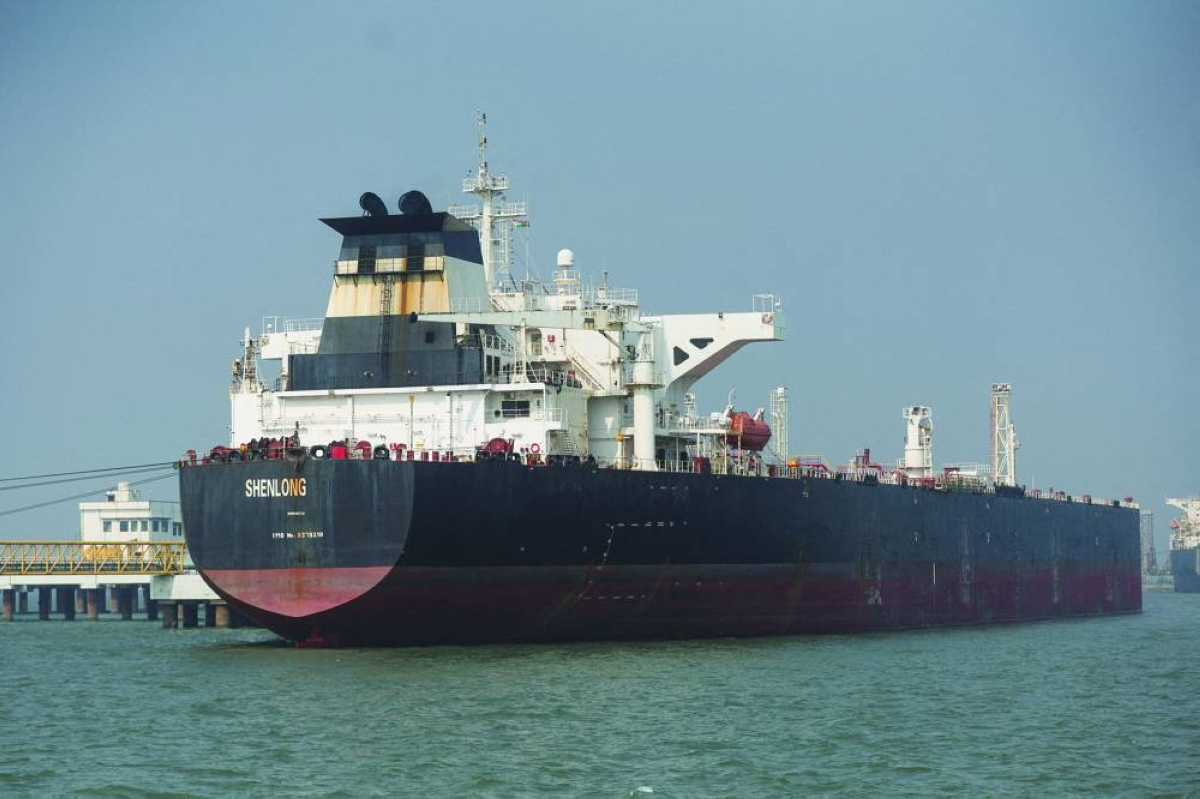
The Strait of Hormuz is a critical maritime passage for global oil shipments, and Iran's stance on its reopening has significant implications for international trade and security.S1S2
Key points
- Iran is nearing a pact with Oman to define new shipping lanes through the Strait of Hormuz.S1
- Tehran insists that the U.S. must meet several conditions before reopening the waterway.S1
- Conditions include compensation and an end to U.S. sanctions and military threats.S1
- Iran has stated that it will not engage in direct talks with Washington under current circumstances.S2
- The U.S. is perceived to be breaching an interim deal signed in June, according to Tehran.S2
- The Strait of Hormuz is vital for oil transportation, affecting global energy markets.S1
- Iran's demands reflect its broader strategy to leverage its geopolitical position.S1
- The situation underscores ongoing tensions between Iran and the U.S. regarding sanctions and military presence in the region.S2
Why it matters
- The reopening of the Strait of Hormuz is crucial for global oil supply and economic stability.S1
- Iran's conditions could impact U.S. foreign policy and its relations with Gulf states.S1
- Failure to reach an agreement may escalate tensions in the region, affecting maritime security.S2
What to watch
- Monitor developments in U.S.-Iran relations, particularly regarding sanctions and military presence.S2
- Watch for the outcome of Iran's negotiations with Oman and any potential agreements.S1
- Keep an eye on global oil prices as the situation evolves, given its implications for supply routes.S1