Story China Politics

China Bans Storing Cremated Remains in 'Bone Ash Apartments'

China
The brief

China is implementing a ban on the practice of storing cremated remains in empty apartments, known as 'bone ash apartments', as part of new funeral management legislation.

Context

The ban comes amid rising urbanization and an aging population, which have intensified competition for cemetery plots in China.S2

Key points

  • The new law prohibits using residential housing for storing cremated remains.S2
  • The practice of storing ashes in empty apartments has gained popularity due to high costs of cemetery plots.S1
  • The legislation aims to address the increasing scarcity of burial space in urban areas.S2
  • The ban reflects broader changes in funeral practices amid demographic shifts in China.S1
  • Authorities are concerned about the implications of using residential properties for this purpose.S2
  • The law will also address the burial of corpses in residential areas.S2
  • The move is part of a wider effort to regulate funeral management in China.S1
  • The government is responding to public health and urban planning concerns related to this practice.S2

Why it matters

  • The ban could significantly impact how families manage the remains of deceased loved ones in urban settings.S1
  • It highlights the challenges posed by rapid urbanization and demographic changes in China.S2
  • The legislation may lead to increased demand for cemetery plots, potentially raising costs further.S1

What to watch

  • Monitor the implementation of the new law and its effects on funeral practices in urban areas.S2
  • Watch for public reactions to the ban and any potential adjustments in funeral costs.S1
  • Keep an eye on how this legislation influences urban planning and housing policies in China.S2
Timeline · newest first
7mos BBC

China bans storing cremated remains in empty 'bone ash apartments'

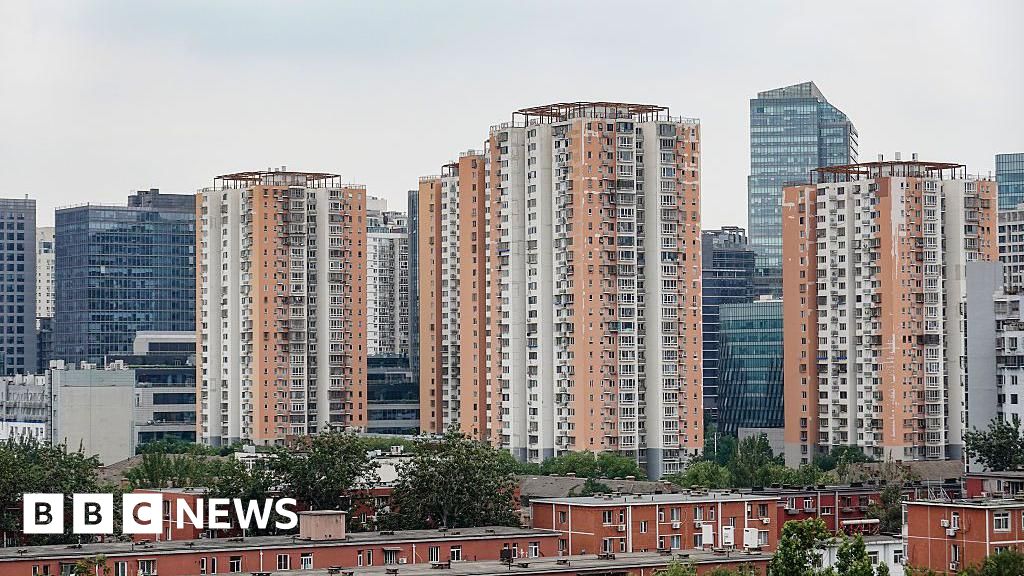
China bans storing cremated remains in empty 'bone ash apartments'18 minutes agoShareSaveAdd as preferred on GoogleElla KiplingGetty ImagesEmpty high-rise properties known as 'bone…

7mos The Guardian

China to ban storing remains of dead in ‘bone ash apartments’

Practice of using apartments to store relatives’ ashes has risen as rapid urbanisation and aging population increases competition for cemetery plotsChina is introducing a law to st…

China Bans Storing Cremated Remains in 'Bone Ash Apartments'

2 outlets 2 reports
The brief

China is implementing a ban on the practice of storing cremated remains in empty apartments, known as 'bone ash apartments', as part of new funeral management legislation.

Context

The ban comes amid rising urbanization and an aging population, which have intensified competition for cemetery plots in China.S2

Key points

  • The new law prohibits using residential housing for storing cremated remains.S2
  • The practice of storing ashes in empty apartments has gained popularity due to high costs of cemetery plots.S1
  • The legislation aims to address the increasing scarcity of burial space in urban areas.S2
  • The ban reflects broader changes in funeral practices amid demographic shifts in China.S1
  • Authorities are concerned about the implications of using residential properties for this purpose.S2
  • The law will also address the burial of corpses in residential areas.S2
  • The move is part of a wider effort to regulate funeral management in China.S1
  • The government is responding to public health and urban planning concerns related to this practice.S2

Why it matters

  • The ban could significantly impact how families manage the remains of deceased loved ones in urban settings.S1
  • It highlights the challenges posed by rapid urbanization and demographic changes in China.S2
  • The legislation may lead to increased demand for cemetery plots, potentially raising costs further.S1

What to watch

  • Monitor the implementation of the new law and its effects on funeral practices in urban areas.S2
  • Watch for public reactions to the ban and any potential adjustments in funeral costs.S1
  • Keep an eye on how this legislation influences urban planning and housing policies in China.S2

Timeline · newest first

Sources · 2 citations

S1 BBC 1 report · EN
S2 The GuardianLead 1 report · EN