Story Mexico Politics

Environmental Protections Waived for Oil Drilling

Mexico
The brief

A panel known as the 'God Squad' has voted to waive environmental protections to facilitate oil drilling in the Gulf of Mexico, citing national security concerns.

Context

The decision allows for expanded oil and gas activities in an area that is home to endangered species, raising significant environmental concerns.S2

Key points

  • The 'God Squad' is a panel that can exempt projects from environmental regulations.S2
  • The panel's recent vote specifically overrides restrictions from the Endangered Species Act.S2
  • Critically endangered whales inhabit the Gulf of Mexico, where drilling will expand.S2
  • Secretary of Defence Pete Hegseth emphasized national security as a key reason for the exemption.S1
  • The decision has sparked debate over the balance between energy needs and environmental protection.S2
  • The Gulf of Mexico is a significant area for oil and gas exploration.S2
  • Environmentalists have expressed concern over the impact on wildlife and ecosystems.S2
  • The ruling may set a precedent for future oil drilling projects in sensitive areas.S2

Why it matters

  • The decision highlights the ongoing tension between energy development and environmental conservation.S2
  • Waiving protections could lead to increased risks for endangered species in the Gulf.S2
  • The ruling may influence public perception and policy regarding environmental regulations.S1

What to watch

  • Monitor reactions from environmental groups and their potential legal responses.S2
  • Watch for further developments in oil drilling regulations in sensitive ecological areas.S1
  • Observe how this decision impacts wildlife populations in the Gulf of Mexico.S2
Timeline · newest first
6mos BBC

'God squad' waives animal protections to expand oil drilling

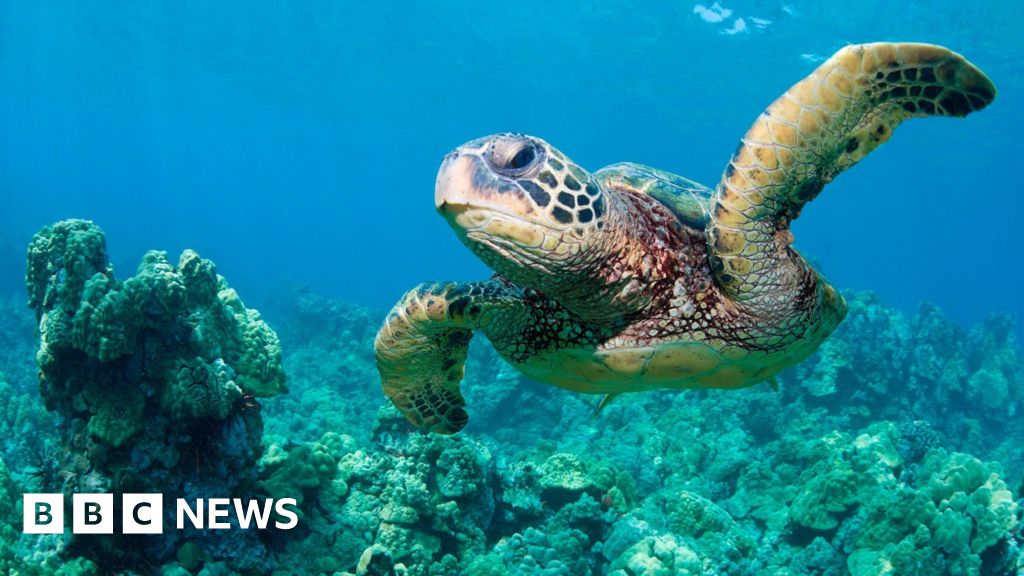
'God squad' waives animal protections to expand oil drilling58 minutes agoShareSaveAdd as preferred on GoogleEsme StallardClimate and science reporterGetty ImagesThe green sea turt…

6mos The New York Times

The ‘God Squad’ Waives Environmental Rules for Offshore Drilling

The panel voted to override Endangered Species Act restrictions on oil and gas activities in the Gulf of Mexico, home to critically endangered whales and other imperiled wildlife.

Environmental Protections Waived for Oil Drilling

2 outlets 2 reports
The brief

A panel known as the 'God Squad' has voted to waive environmental protections to facilitate oil drilling in the Gulf of Mexico, citing national security concerns.

Context

The decision allows for expanded oil and gas activities in an area that is home to endangered species, raising significant environmental concerns.S2

Key points

  • The 'God Squad' is a panel that can exempt projects from environmental regulations.S2
  • The panel's recent vote specifically overrides restrictions from the Endangered Species Act.S2
  • Critically endangered whales inhabit the Gulf of Mexico, where drilling will expand.S2
  • Secretary of Defence Pete Hegseth emphasized national security as a key reason for the exemption.S1
  • The decision has sparked debate over the balance between energy needs and environmental protection.S2
  • The Gulf of Mexico is a significant area for oil and gas exploration.S2
  • Environmentalists have expressed concern over the impact on wildlife and ecosystems.S2
  • The ruling may set a precedent for future oil drilling projects in sensitive areas.S2

Why it matters

  • The decision highlights the ongoing tension between energy development and environmental conservation.S2
  • Waiving protections could lead to increased risks for endangered species in the Gulf.S2
  • The ruling may influence public perception and policy regarding environmental regulations.S1

What to watch

  • Monitor reactions from environmental groups and their potential legal responses.S2
  • Watch for further developments in oil drilling regulations in sensitive ecological areas.S1
  • Observe how this decision impacts wildlife populations in the Gulf of Mexico.S2

Timeline · newest first

Sources · 2 citations

S1 BBC 1 report · EN
S2 The New York TimesLead 1 report · EN