The brief
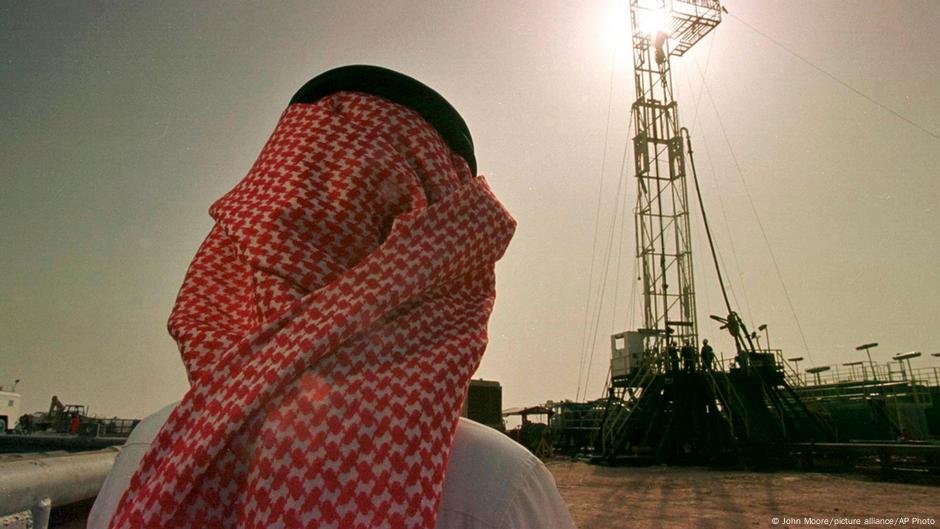
Recent military actions in Iran have led to a significant spike in oil prices, raising concerns about the stability of oil production in the Gulf region.
Context
The situation has escalated following strikes on Iran's energy infrastructure, which have disrupted oil supply routes and storage capabilities.S1S2
Key points
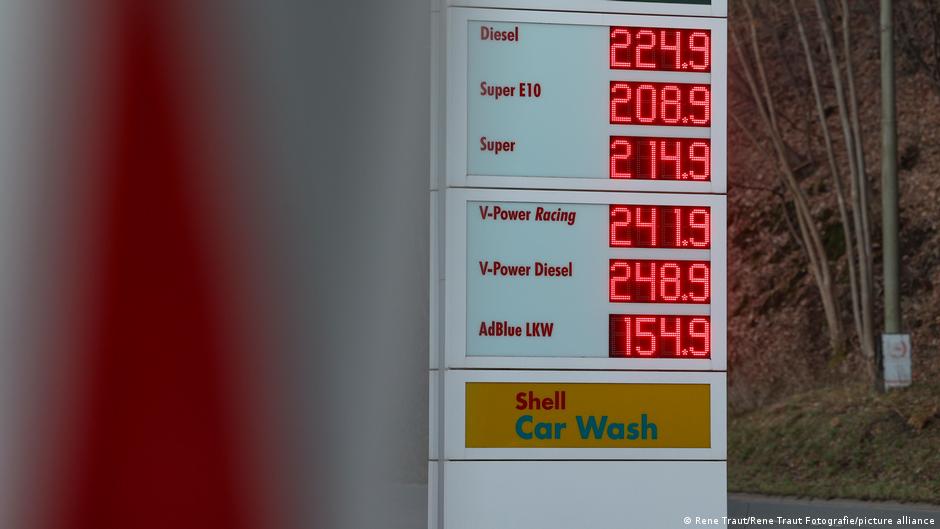
- Oil prices have surged to nearly $120 per barrel due to recent conflicts.S1S2
- Strikes on Iran's energy sites have directly impacted oil production in the region.S1S2
- The Strait of Hormuz has been shut down, complicating oil transport.S1S2
- Tankers are currently stuck, exacerbating the supply chain issues.S1S2
- Gulf oil facilities have been hit, leading to concerns over production capacity.S1S2
- Producers are facing storage shortages as they attempt to maintain production levels.S1S2
- The geopolitical tensions in the region are influencing global oil markets.S1S2
- Analysts are monitoring the potential long-term impacts on oil supply and prices.S1S2
Why it matters
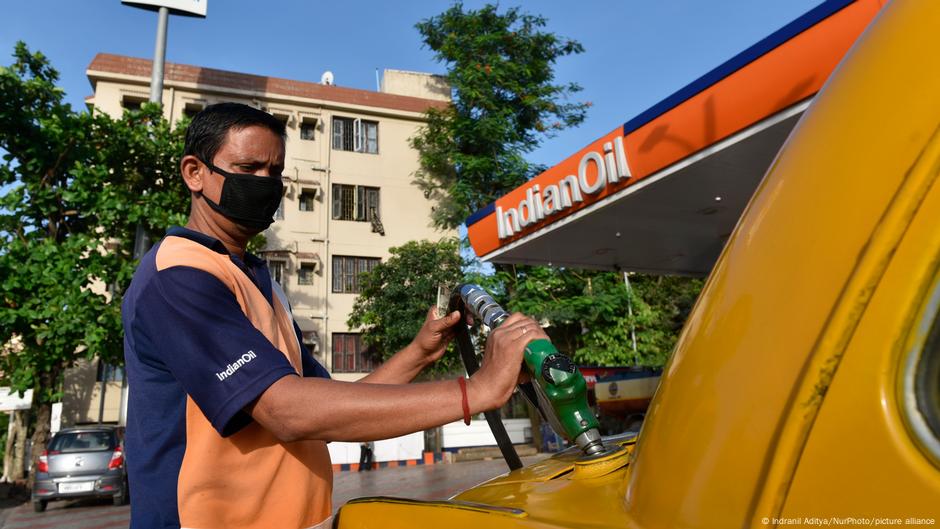
- Rising oil prices can have widespread economic implications globally, affecting inflation and energy costs.S1S2
- Disruptions in oil supply from the Gulf can lead to increased geopolitical tensions and instability in the region.S1S2
- The situation highlights the vulnerability of global energy supplies to regional conflicts.S1S2
What to watch
- Monitor developments in the Gulf region, particularly any changes in military actions or diplomatic efforts.S1S2
- Watch for updates on oil production levels and storage capacities from Gulf nations.S1S2
- Keep an eye on global oil market reactions and price fluctuations in the coming weeks.S1S2