The brief
Meta and TikTok have partnered to fact-check content related to border crossings in Spain, aiming to combat misinformation that could endanger migrants.
Context
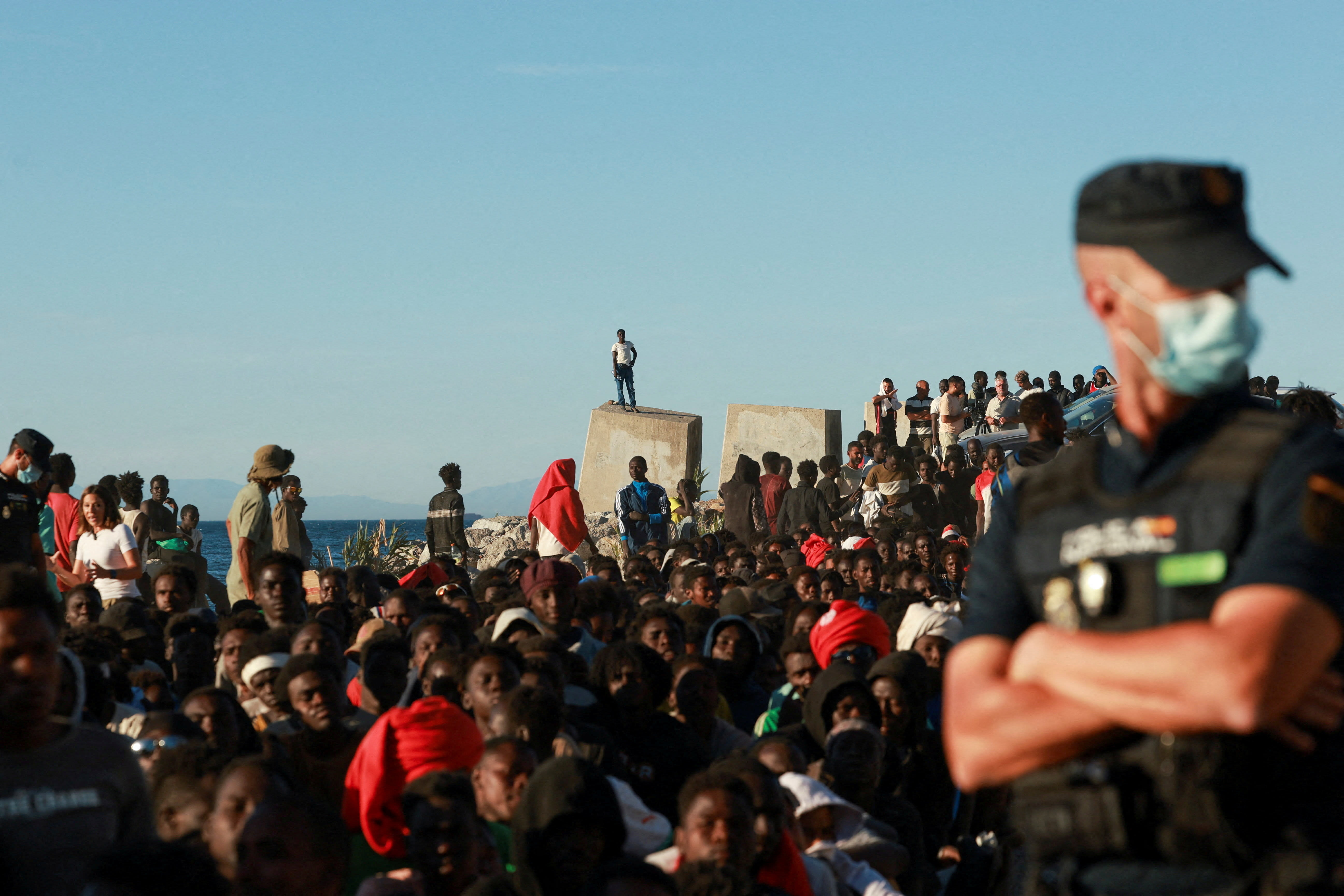
This initiative follows a surge of migrants attempting to cross the Spanish border, which has resulted in tragic incidents.S1S2
Key points
- The collaboration focuses on preventing misinformation that could mislead potential migrants.S1
- EU tech chief Henna Virkkunen emphasized the need to protect migrants from criminal networks.S1
- False information has previously led to dangerous situations and fatalities among migrants.S2
- Meta and TikTok's agreement is part of broader efforts to ensure safety at the border.S1
- The fact-checking will target content that promotes risky border crossing attempts.S2
- This move reflects growing concerns over the role of social media in migration issues.S1
- The partnership aims to enhance the reliability of information available to migrants.S2
- Both companies are responding to increasing scrutiny over their content moderation practices.S1
Why it matters
- Misinformation can lead to life-threatening decisions by vulnerable individuals.S1
- The collaboration highlights the responsibility of tech companies in addressing social issues.S2
- Improving information accuracy may help reduce the number of dangerous crossings.S1
What to watch
- Monitor the effectiveness of the fact-checking measures implemented by Meta and TikTok.S1
- Observe any changes in migration patterns at the Spanish border following this initiative.S2
- Watch for reactions from migrant advocacy groups regarding this partnership.S1


