The brief
Colombia continues its search for survivors following a devastating earthquake, with significant challenges facing the new government.
Context
The earthquake, measuring 7.4 in magnitude, has resulted in a humanitarian crisis as the country grapples with the aftermath.S1S2
Key points
- The earthquake struck Colombia, leading to over 200 confirmed deaths and more than 2,000 people reported missing.S1
- President Abelardo de la Espriella has declared a state of emergency in response to the disaster.S1
- Many areas remain without access to clean drinking water and electricity.S1
- Several major highways are closed, complicating rescue and relief efforts.S1
- The government's response is hindered by existing issues of deep poverty and civil warfare.S2
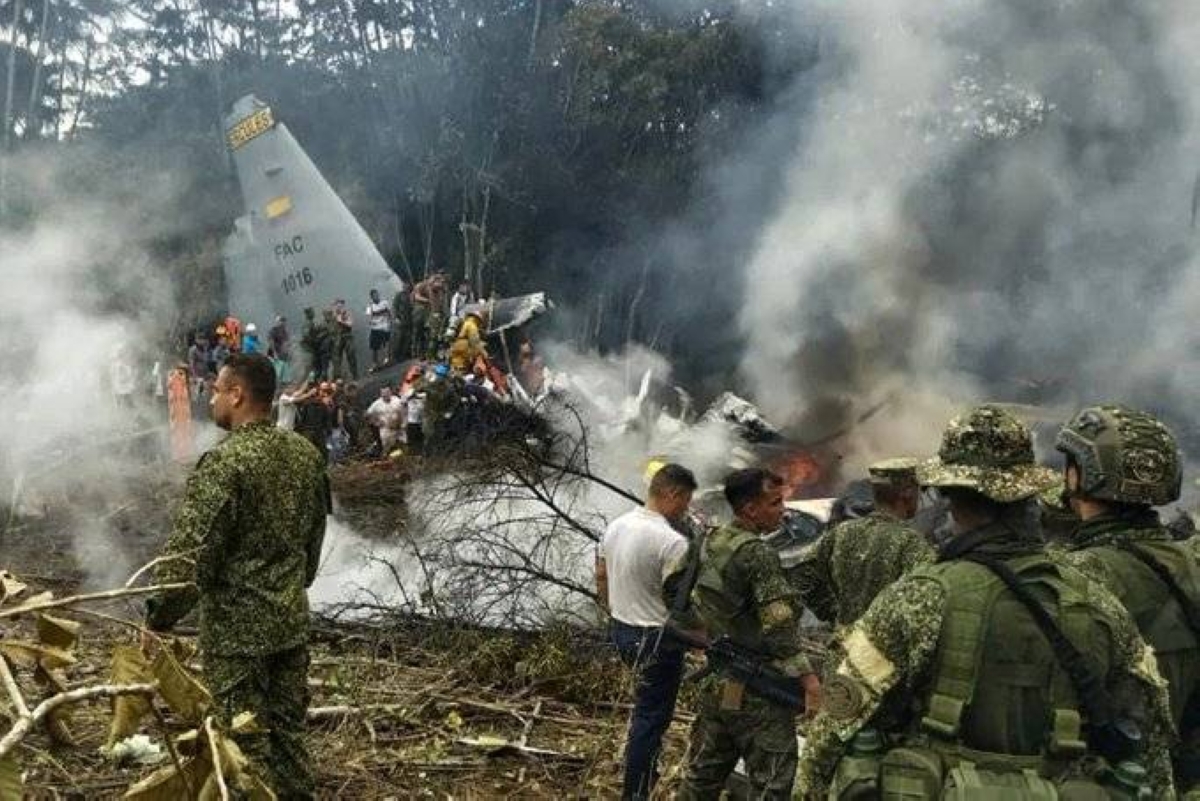
- Rescue operations have included dramatic rescues from collapsed buildings.S1
- The situation remains fluid as search efforts continue more than 48 hours after the quake.S1
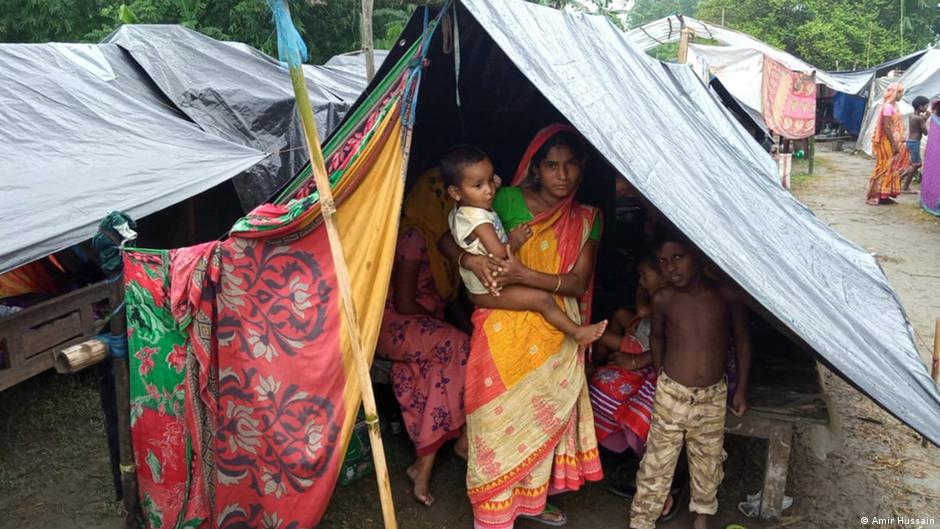
- The earthquake has intensified the humanitarian crisis in Colombia, affecting vulnerable populations.S2
Why it matters
- The earthquake's impact highlights the vulnerabilities of Colombia's infrastructure and emergency response capabilities.S2
- The ongoing crises of poverty and civil unrest complicate recovery efforts and may affect long-term stability.S2
What to watch
- Monitor updates on the number of survivors found and the status of rescue operations.S1
- Watch for government announcements regarding aid and recovery plans in the affected regions.S2
- Keep an eye on international responses and assistance offered to Colombia in the wake of the disaster.S2