The brief
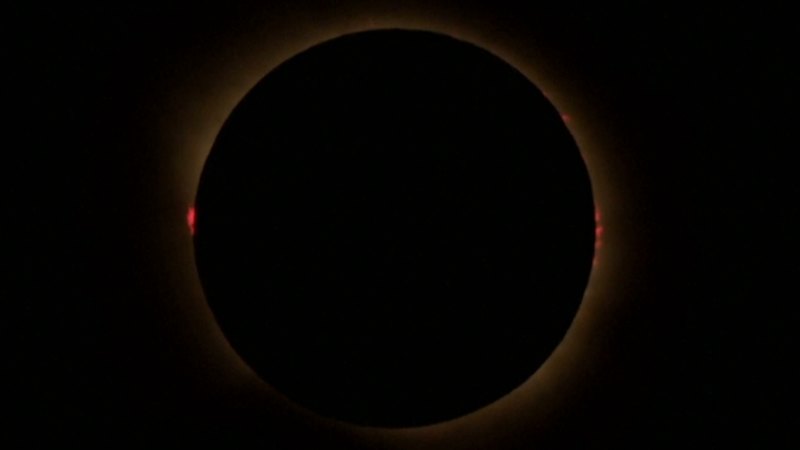
A total solar eclipse captivated viewers across Europe, with significant crowds gathering to witness the phenomenon.
Context
This rare astronomical event provided a unique opportunity for people in various regions to experience a dramatic change in daylight as the moon obscured the sun.S1S2
Key points
- The solar eclipse was visible in Iceland, Britain, and parts of mainland Europe.S2
- Crowds gathered in various locations to observe the eclipse.S2
- The event was characterized by a temporary plunge into darkness in affected areas.S2
- This eclipse is part of a series of solar eclipses that occur periodically.S1
- Astronomers and enthusiasts often travel to prime viewing locations for such events.S1
- The eclipse drew significant media attention and public interest.S1
- Safety measures for viewing the eclipse were emphasized to protect viewers' eyesight.S1
- The event was celebrated as a spectacular natural occurrence across Europe.S1
Why it matters
- Solar eclipses are rare events that attract public interest and scientific study.S1
- They provide opportunities for education about astronomy and the solar system.S1
- Such events can foster community engagement as people gather to witness them together.S2
What to watch
- Look for upcoming solar or lunar eclipses in the next few years.S1
- Monitor local astronomy clubs for events related to celestial observations.S1
- Stay informed about scientific studies that may arise from observations of the eclipse.S1