The brief
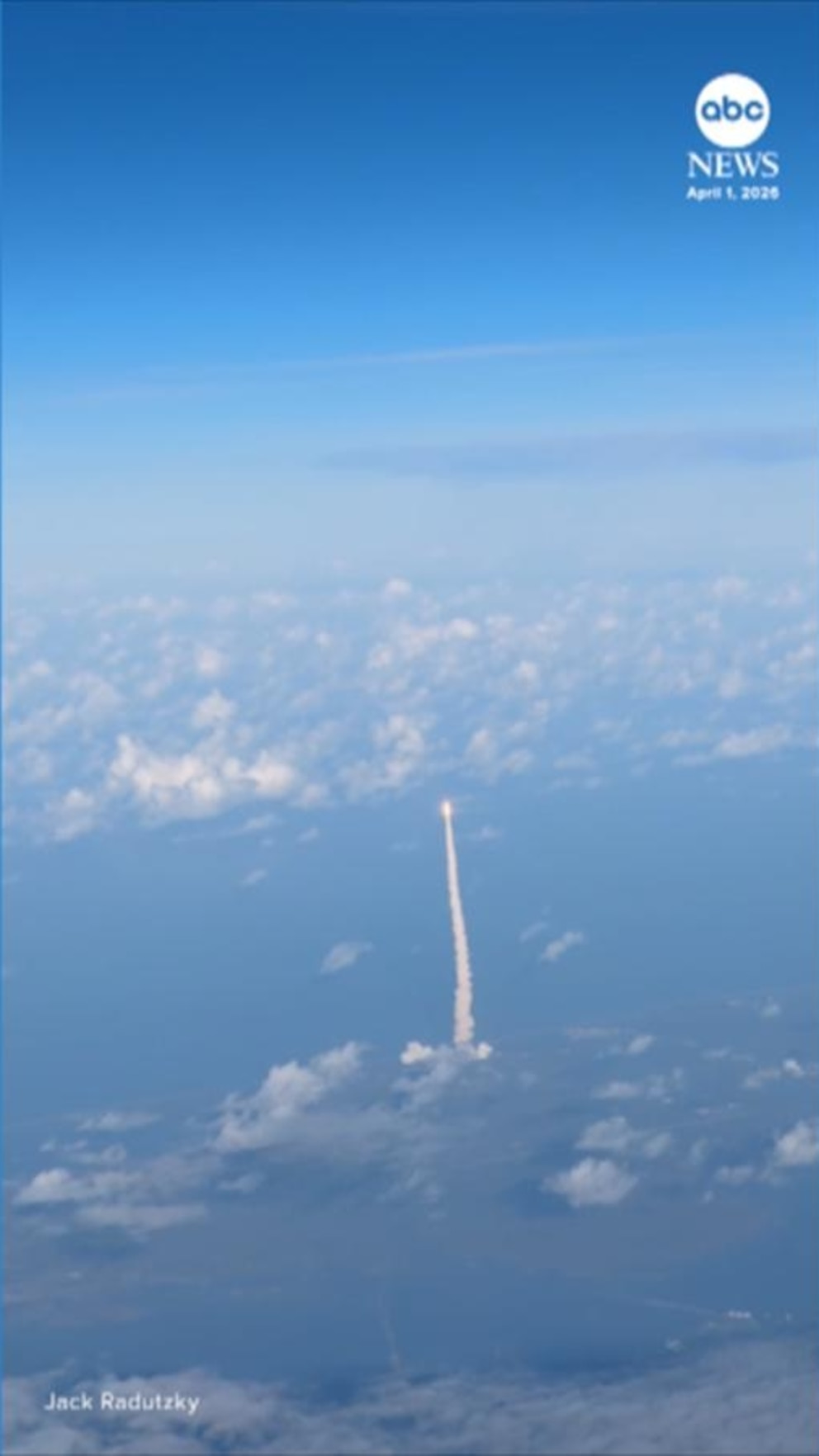
The Artemis II astronauts have successfully left Earth's orbit and are en route to the moon, marking a significant milestone in NASA's lunar exploration efforts.
Context
This mission represents the first crewed lunar flyby in over 50 years, following the Apollo program.S1S2
Key points
- The Artemis II mission aims to fly astronauts around the moon.S1
- The spacecraft's engine fired for six minutes to propel the astronauts on their journey.S2
- This mission is part of NASA's broader Artemis program, which seeks to return humans to the moon.S1
- The Orion capsule's engine provided enough thrust to accelerate a stationary car to highway speed in under three seconds.S2
- The astronauts will spend three days traveling to the moon.S2
- This marks the first time humans have flown to the moon since the Apollo missions.S1
- The successful thruster firing is a critical step in the mission's timeline.S1
- NASA is committed to advancing lunar exploration through this mission.S2
Why it matters
- This mission signifies a renewed commitment to human space exploration beyond Earth.S1
- The Artemis II mission could pave the way for future lunar landings and exploration.S2
What to watch
- Monitor the progress of the Artemis II mission as it approaches the moon.S1
- Watch for updates on the astronauts' experiences during the three-day journey.S2