The brief
The Supreme Court has intervened regarding the Bar Council of India's recent orders affecting law students, emphasizing that no punitive measures should be taken against them or faculty members.
Context
The Supreme Court's response follows a controversial directive from the Bar Council of India that had prompted significant backlash from students and legal professionals.S2
Key points
- The Supreme Court has sought a response from the Bar Council of India regarding its circulars affecting law students.S1
- The court emphasized that no punitive action should be taken against NALSAR students or faculty members.S1
- The Bar Council of India faced criticism for its initial orders, which were perceived as hasty and unjust.S2
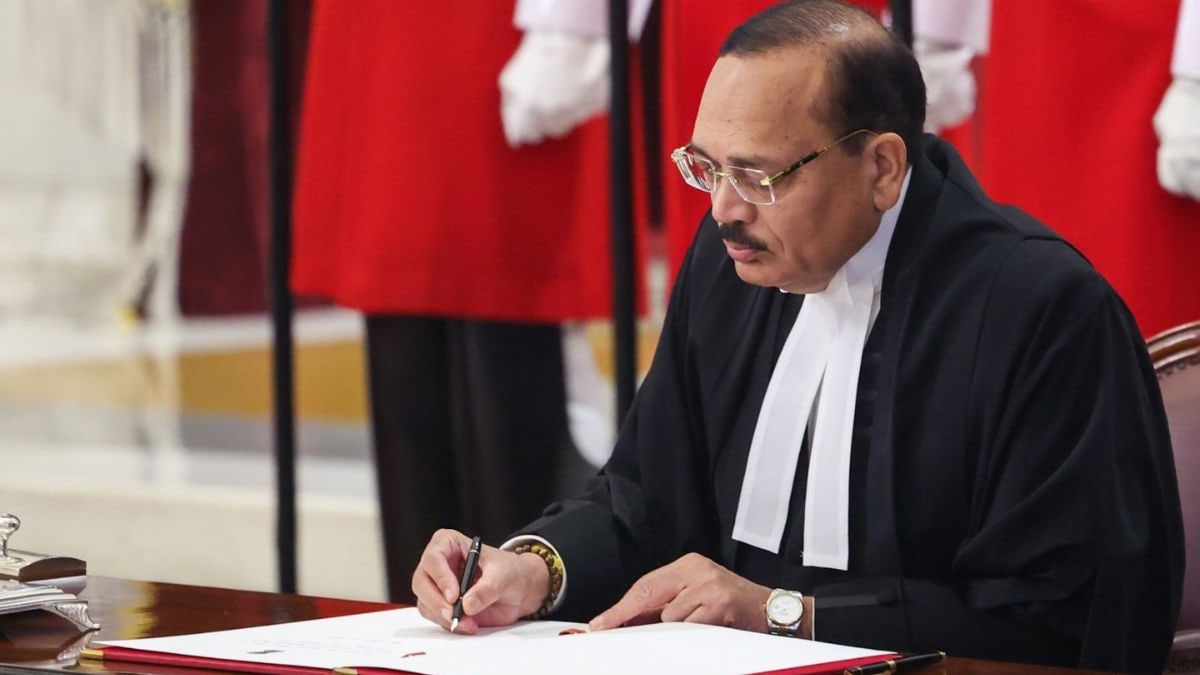
- In response to the backlash, Bar Council Chief Manan Mishra stated that there would be no further inquiry into the matter.S2
- Mishra declared that the issue now stands closed, indicating a retreat from the council's previous stance.S2
- The Supreme Court's intervention highlights the judiciary's role in protecting student rights within legal education.S1
- The situation reflects ongoing tensions between legal authorities and educational institutions in India.S2
- The Bar Council's actions and subsequent reversal may impact future governance of law schools and student conduct.S2
Why it matters
- The Supreme Court's decision reinforces the principle of academic freedom and protection for students in legal education.S1
- The Bar Council's retraction may set a precedent for how similar cases are handled in the future.S2
What to watch
- Monitor the Bar Council's future communications regarding student conduct and governance.S2
- Observe any further reactions from law schools and student organizations in response to this incident.S1